
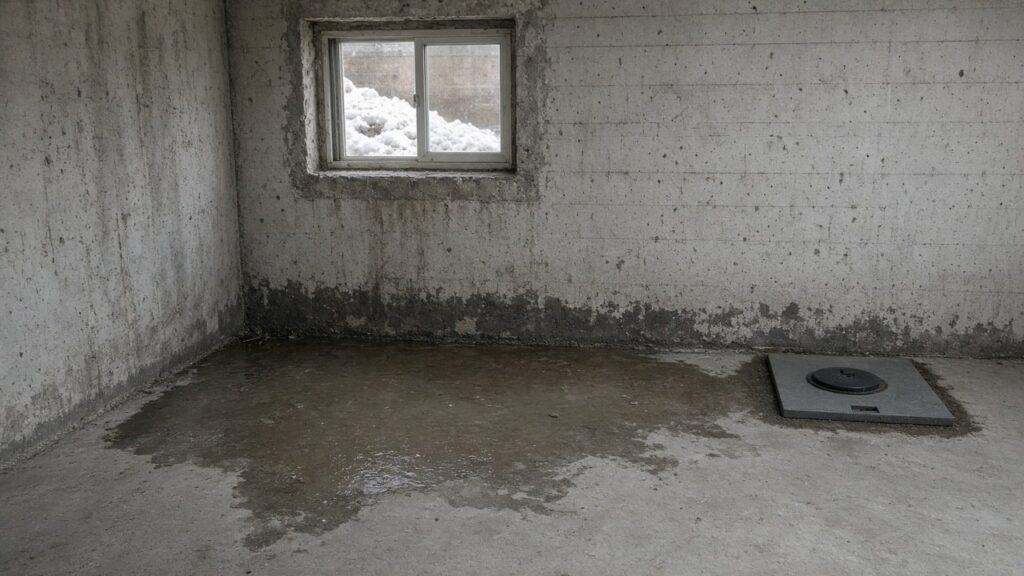
A wet basement after rain or snowmelt can leave you wondering whether you need basement waterproofing, a sump pump repair, or a small drainage correction. Before you choose a fix, it helps to understand the problem. This guide walks Minnesota homeowners through 7 simple first steps to take, from staying safe to asking the right questions.
You do not need to be an expert. A few notes, photos, and quick checks will make any conversation with a contractor faster, clearer, and more useful.
Table of Contents
Step 1: Stay safe with a wet basement after rain
Safety comes first. If water is standing near the furnace, water heater, washer, extension cords, or the electrical panel, stay out of the water and call a licensed electrician or your utility before you walk through it. A wet basement after rain can also hide slippery floors, so wear boots and use a flashlight on the stairs.
Once the area is safe, move boxes, rugs, and stored items off the floor. Cardboard wicks water fast, and mold can start on wet materials within a day or two. Set items on shelves or plastic bins while you figure out what happened.
Step 2: Describe what you see, in plain words
From a dry spot, note when the water appeared and where you first noticed it. Was it during a heavy rain, a day after a thaw, or on a hot, humid afternoon? Is it a damp patch, a narrow trail across the floor, or a puddle that keeps growing? These details are the fastest way to separate a true leak from condensation.
Take a few photos and a short video. Pictures of a wet basement after rain, taken the same day, are often more useful than a long description given a week later. Try to capture the wall, the floor, and the spot where the wall meets the floor, which is called the cove joint.
- Write down the date, recent weather, and which room is affected.
- Photograph the first visible entry point, if you can find it safely.
- Record whether your sump pump was running, quiet, or acting differently.
- From ground level outside, note gutter overflow or water collecting beside the house.
- Keep any old repair paperwork and note whether this has happened before.
Step 3: Rain, snowmelt, or condensation?
Not every wet basement after rain is caused by the rain itself. Minnesota basements get water from three main places, and each one points to a different fix.
Rainwater and surface water
Water that shows up during or right after a storm usually comes from the outside surface. Overflowing gutters, short downspouts, and soil that slopes toward the house can send a lot of water against the foundation. A wet basement after rain that only happens in heavy storms is often a drainage problem first.
Spring snowmelt and frozen ground
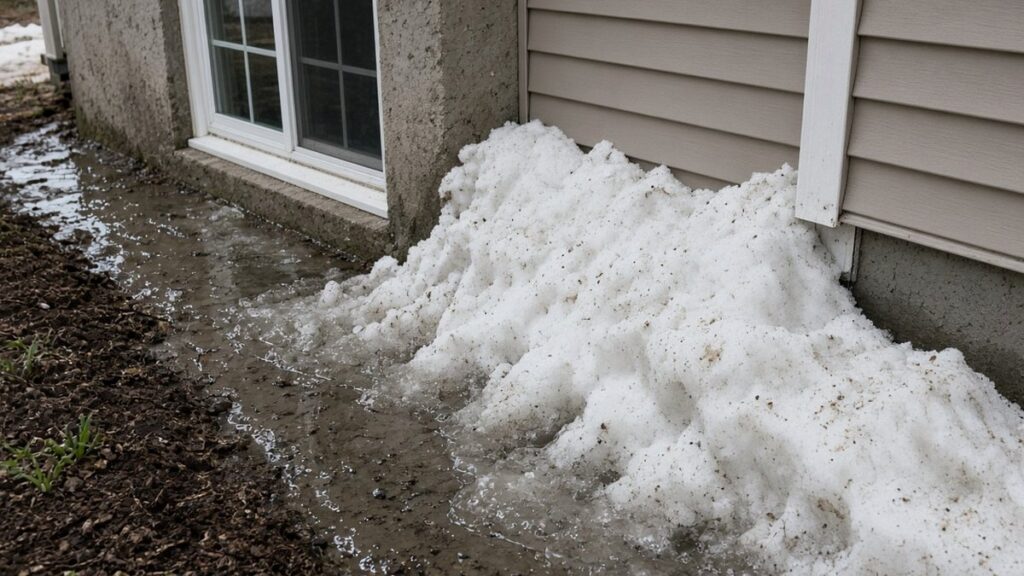
In March and April, snow piles melt while the ground below is still frozen. The water cannot soak in, so it runs along the frozen layer and finds the foundation. If your basement is wet after rain in spring but dry in summer, snowmelt and saturated soil are likely playing a part. Our Minnesota seasonal basement checklist covers what to do before the thaw.
Condensation and humidity
On humid summer days, warm air hits cool concrete and leaves beads of water on walls, pipes, and floors. This can look like a leak but is a moisture problem inside the home. A simple test is to tape a square of clear plastic to the wall for two days. Water on the room side points to condensation; water behind the plastic points to moisture coming through the wall.
The University of Minnesota Extension guide to basement moisture explains these pathways in more detail. It notes that poor grading, gutters, downspouts, and missing drainage can all contribute.
Step 4: Do these simple outside checks
Many homeowners can reduce a wet basement after rain with a few small changes outside. These are low-cost steps, and they also make any later assessment more accurate.
- Clean gutters so water does not spill over the edge next to the foundation.
- Extend downspouts so water lands at least 6 to 10 feet from the house.
- Check that soil and mulch slope away from the home, not toward it.
- Keep snow piles and leaf piles away from basement walls and window wells.
- Look at window wells for debris, standing water, or a missing cover.
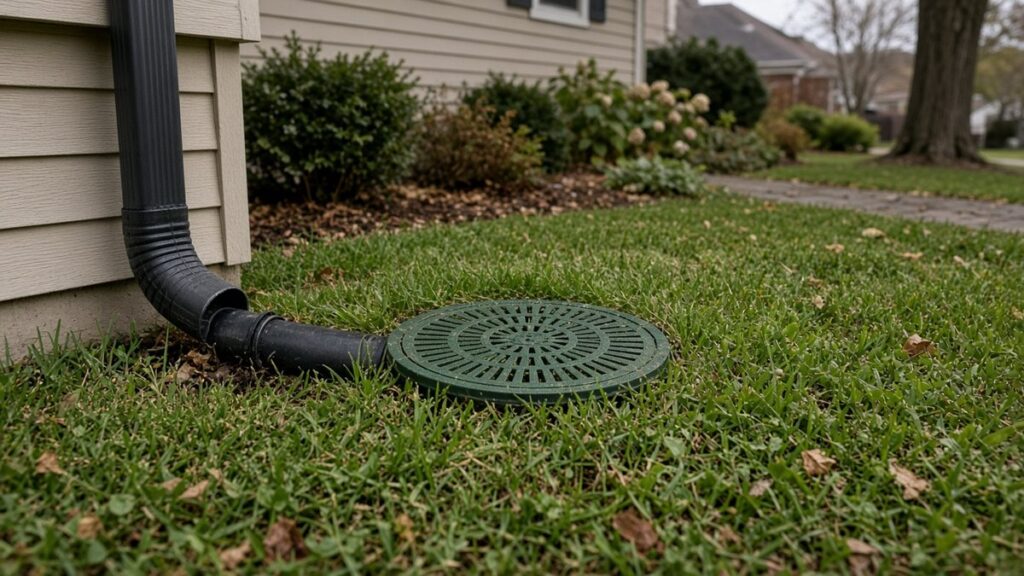
If you have a sump pump, pour a bucket of water into the pit to confirm the float lifts and the pump runs. Also check that the discharge line outside is clear and not frozen. Our sump pump service page explains common pump problems.
Write down what you changed and when. If the next storm leaves the basement dry, you have likely found the main cause. If water still appears in the same spot, that pattern is valuable information for a professional, because it rules out the simple surface causes and points toward the foundation, the floor, or the drainage below it.
Step 5: Know when small fixes are not enough
Outside fixes help, but some water problems come from below or through the wall itself. Call for help if you notice any of these signs along with a wet basement after rain:
- Water coming up through the floor or along the cove joint.
- Cracks in the wall that leak, widen, or have rust or white mineral stains.
- A sump pump that runs constantly, or a pit that fills very fast.
- Musty smells, mold, or damp drywall that never fully dries.
- Bowing, leaning, or stair-step cracks in block walls.
Leaking cracks are covered on our wall crack repair page, and long-term water entry is covered on our basement waterproofing page. If walls are moving, read about foundation repair. These are starting points; the right scope depends on what an in-person assessment finds.
Step 6: Ask the right questions before approving work
When a contractor looks at your wet basement after rain, ask what evidence supports the proposed solution. A good answer connects what they saw, such as the entry point, soil, and grading, to the repair they suggest.
- What is causing the water, and how do you know?
- What does the written scope include, and what does it leave out?
- Are there smaller or lower-cost options to try first?
- What maintenance will the system need over time?
- What warranty comes with the work, and is it transferable?
A useful estimate helps you understand the decision instead of leaving you to choose by price alone. For a deeper look at rain-related leaks, see our guide to water in basement after rain in Minnesota.
Step 7: Get a local, no-pressure assessment
Secure Basement Solutions is locally owned and veteran owned, based in Mora, Minnesota, with more than 30 years of trade experience. We help homeowners across Minnesota understand a wet basement after rain or snowmelt and choose a fix that fits the home and the budget.
When you reach out, share your city, your photos, and the notes from the steps above. We will explain what we see in plain language. Education comes first, and there is no pressure to buy anything.
Wet basement after rain: frequently asked questions
Is a wet basement after rain an emergency?
Usually not, unless water is near electrical equipment, rising quickly, or the sump pump has failed. Make the area safe, move valuables, and document what you see. Then schedule an assessment so the cause is found before the next storm.
Will homeowners insurance cover a wet basement after rain?
It depends on your policy. Many policies treat groundwater and seepage differently from a sudden pipe burst or a sump backup. Call your agent, and keep your photos and notes for the claim.
Can I fix a wet basement after rain myself?
Gutters, downspout extensions, grading, and sump testing are good do-it-yourself steps. Leaking cracks, water through the floor, and moving walls usually need a professional, because the cause may be below the surface.
How fast does mold grow in a wet basement?
Mold can begin on damp drywall, carpet, and cardboard within 24 to 48 hours. Dry the space with fans and a dehumidifier, and remove soaked materials quickly.
Have a wet basement after rain? Talk with us
Tell us what you are noticing, when it happens, and where you live in Minnesota. We will help you understand what is going on and take the next step toward a dry basement.
Request an Estimate or call 320-280-3522. We are available 24/7.