
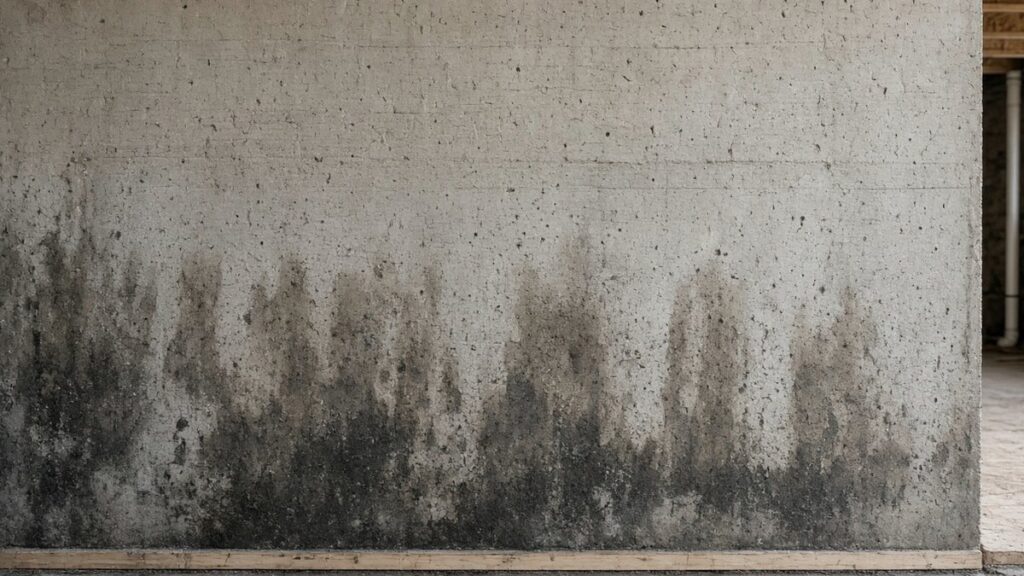
Look closely at a poured concrete basement wall and you may see small round spots in rows. Those are tie rod holes, and they can leak. This guide is written for homeowners in Onamia, Mille Lacs County and across Minnesota.
Table of Contents
What tie rod holes are
When poured walls are built, metal ties hold the forms together. After the forms come off, the tie ends are snapped off and the holes are patched.
Why tie rod holes leak
- Weak patches that crack or fall out
- Rusting ties that leave gaps
- Water pressure from wet soil
Signs
- Damp circles in rows
- Rust stains below the holes
- Drips after rain
How they’re fixed
- Injection with polyurethane
- Patching with materials made for the job
- Exterior sealing when the wall is exposed
When it points to more
If many tie rod holes leak, the soil outside is likely very wet. Check grading, downspouts and drain tile too.
Need help with tie rod holes? We’re available 24/7. Call 320-280-3522 or Request an Estimate.
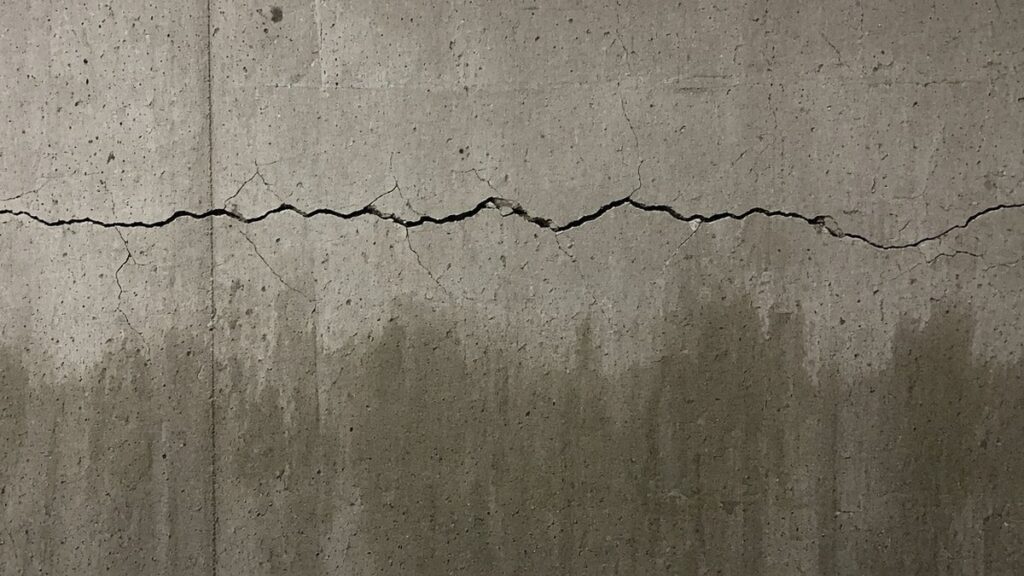
Why basement walls crack in Minnesota
Cracks are common in Minnesota foundations because of:
- Concrete shrinkage as walls cure
- Freeze-thaw cycles that widen tiny gaps every winter
- Soil pressure from wet or frozen ground
- Settlement where soil under footings compresses
Most cracks start small. Water is what turns a small crack into a real problem.
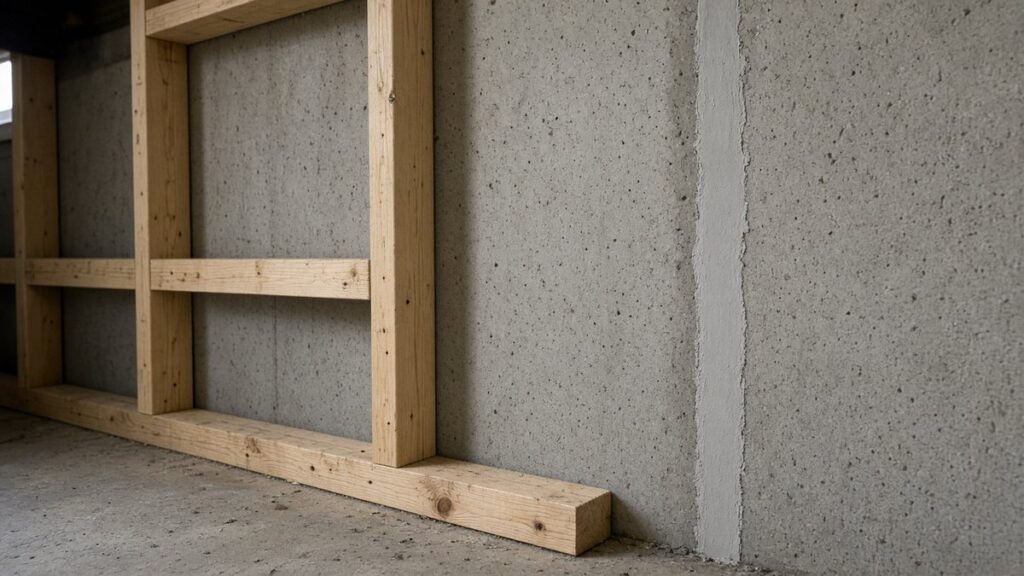
How wall cracks are typically repaired
Common professional approaches include:
- Polyurethane injection: flexible foam that expands to fill a leaking crack.
- Epoxy injection: a rigid material used on certain cracks to bond concrete.
- Drainage: relieving the water pressure that pushes water through cracks.
- Structural repair: if the wall is moving, the movement must be addressed first. See foundation repair.
Surface patches from a tube often fail because water keeps pushing from behind.
Common mistakes to avoid
- Surface patching a leaking crack. Caulk or patch on the face of the wall often fails under water pressure.
- Not marking the crack. Without dated marks it’s hard to tell if a crack is growing.
- Treating every crack the same. Horizontal and stair-step cracks need a different look than small vertical ones.
Summer basement checklist for Onamia
August is often humid, with heavy storms mixed between dry stretches.
- Run a dehumidifier and keep humidity moderate.
- Check after thunderstorms for new water.
- Look at landscaping that may trap water by the walls.
- Inspect the crawl space for moisture and pests.
- Plan projects while the weather is good.
Questions to ask before you hire anyone
Before you pick a contractor, ask:
- What’s causing the problem?
- What are my options, and what are the trade-offs?
- Is there anything I can do myself first?
- What’s included in the estimate?
- Is a warranty offered, and what does it cover?
You can also check contractor licensing through the Minnesota Department of Labor and Industry. A good contractor will answer clearly and won’t rush you.
How it all connects
No single product fixes every basement. Wet basements MN homes face need the right mix of drainage, sealing and support. Basement waterproofing MN work keeps water out, and foundation repair MN work keeps the structure sound. Our basement waterproofing and foundation repair pages explain both. For more on tie rod holes and related work, see our wall crack repair page.
Trusted resources
University of Minnesota Extension explains how water reaches basement walls in its guide to moisture in basements.
Serving Onamia and Mille Lacs County
Onamia sits just south of Mille Lacs Lake, where lake homes and cabins are common. Secure Basement Solutions is veteran-owned and based in Mora, with more than 30 years of trade experience. We serve Onamia, Mille Lacs County and communities across Minnesota. No pressure, education first. If tie rod holes is on your list, we’re happy to help.
Frequently asked questions
Are tie rod holes structural?
No. They’re from construction.
Can I patch them myself?
Small patches can work, but injection is more reliable.
Should I repair a crack before finishing my basement?
Yes. It’s much easier to fix cracks before walls are covered.
What’s the difference between polyurethane and epoxy?
Polyurethane stays flexible and is common for leaks. Epoxy is rigid and is used where bonding the concrete matters.
Ready for a dry basement?
No pressure, education first.
Questions about tie rod holes? We’re available 24/7. Call 320-280-3522 or Request an Estimate.