
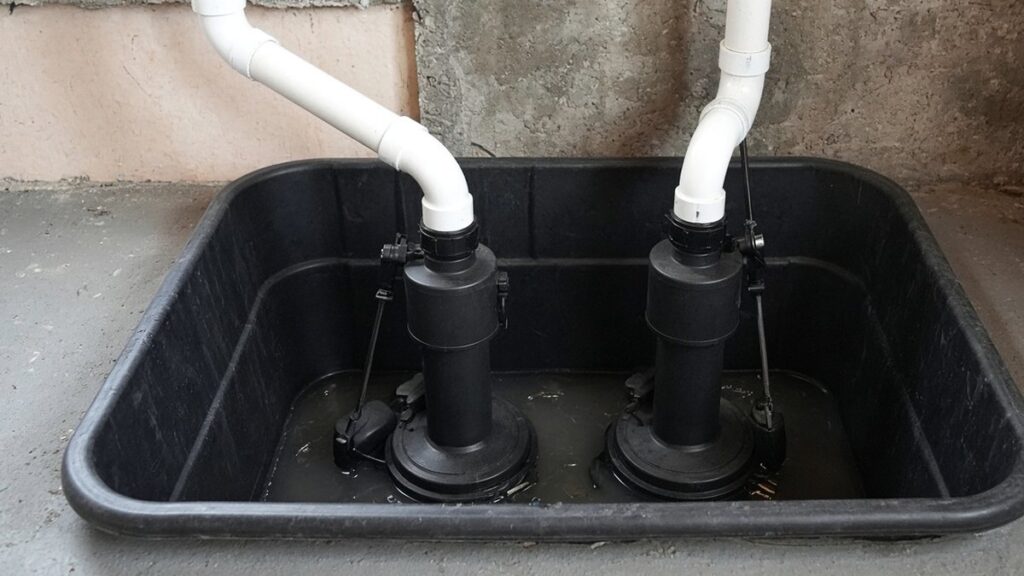
The pit that holds your sump pump is called a basin. Sump basin types differ in size, material and design. This guide is written for homeowners in Baxter, Crow Wing County and across Minnesota.
Table of Contents
Common types
- Plastic basins with holes for water
- Solid basins for sewage or ejector pumps
- Larger basins for busy pits
Why size matters
A bigger basin holds more water, so the pump runs less often.
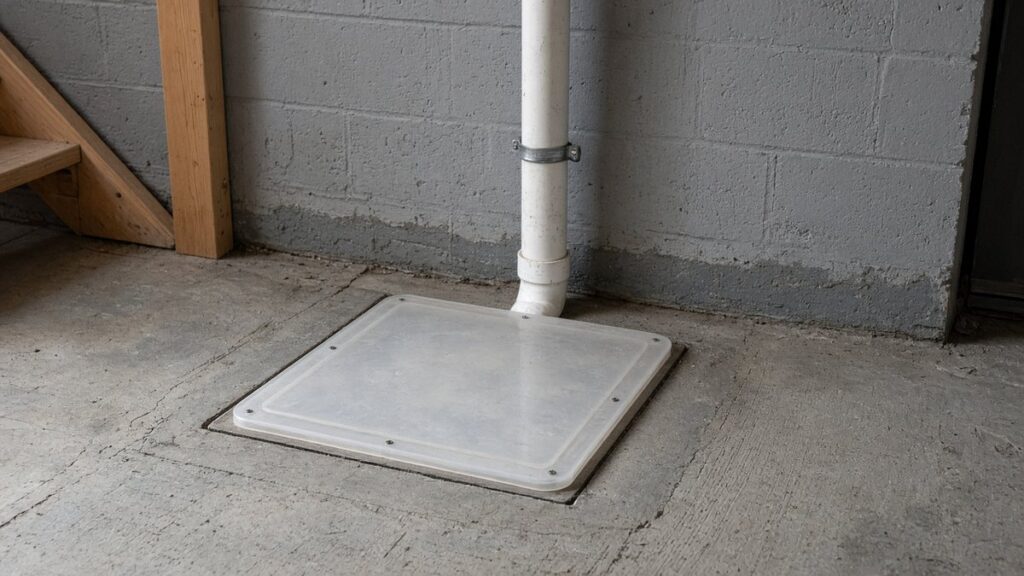
Lids
Sealed lids limit odors, moisture and radon.
Signs of a poor basin
- Too small for the pump
- Cracked
- Clogged with silt
Replacement
A pro can swap a basin when needed.
Signs your sump basin needs an upgrade
- The pump runs in short, quick bursts during storms.
- Silt builds up on the bottom of the pit.
- The lid doesn’t fit or there is no lid.
- There’s no room for a backup pump.
Different sump basin types suit different homes. A wider, deeper basin can give a busy pit more storage and leave room for a backup pump next to the main one.
Basin and drain tile
The basin is where the drain tile ends. Holes or slots let water in from the surrounding gravel, and the pipe connections should be sealed so soil doesn’t wash in.
Need help with sump basin types? We’re available 24/7. Call 320-280-3522 or Request an Estimate.
What a sump pump is up against here
Minnesota weather gives sump pumps a tough workload:
- Long run times during snowmelt
- Sudden surges in thunderstorms
- Frozen discharge lines in winter
- Power outages during the storms when you need the pump most
That’s why regular checks matter so much.
What sump pump service usually covers
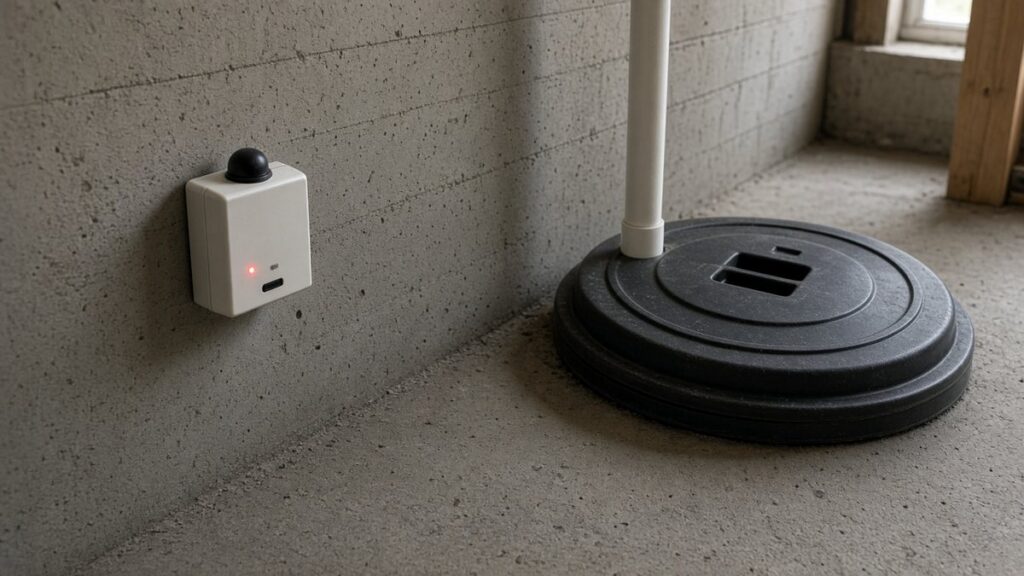
A professional sump pump visit typically looks at:
- The pump itself: age, condition, float switch and check valve
- The pit: debris, silt and proper lid fit
- The discharge line: routing, slope and freeze protection outside
- Capacity: whether the pump keeps up with the water entering the pit
- Backup options: battery or water-powered backups exist; ask which fits your home
Fixing the pump is only part of it. If the pit fills fast every rain, drainage may need attention too.
Common mistakes to avoid
- No plan for power outages. Storms that bring heavy rain can also knock out power.
- Never testing the pump. Many failures are found during a storm instead of before it.
- Letting the pit fill with debris. Dirt and gravel can jam the float or clog the intake.
Quick winter to-do list for Baxter
Late winter is when snow piles are biggest, so it’s smart to plan for the melt now.
- Walk the basement after every thaw.
- Keep downspouts clear of ice so meltwater can drain.
- Make sure the sump pit isn’t freezing or running nonstop.
- Note any damp spots with a date and photo.
- Plan spring projects now so you’re not waiting later.
What a good assessment should include
Whoever you hire, a good evaluation should:
- Look outside at gutters, downspouts, grading and window wells
- Look inside at walls, floors, cracks and the sump system
- Explain the cause, not just the symptom
- Lay out options, including simple fixes you can do yourself
- Give a written estimate before any work starts
At Secure Basement Solutions, we keep it no-pressure and education-first. You should understand the problem before you decide anything.
How it all connects
Here’s the simple version. Wet basements MN families notice are usually a water problem first. Basement waterproofing handles that water. If walls have cracked or shifted, foundation repair comes in. Many homes need a little of both, so good basement waterproofing MN and foundation repair MN advice looks at the whole picture. For more on sump basin types and related work, see our sump pump service page.
Trusted resources
Ready.gov offers tips for keeping your home safe during power outages.
Serving Baxter and Crow Wing County
Baxter borders Brainerd in Crow Wing County and has many newer homes and subdivisions. From our home base in Mora, our veteran-owned team serves Baxter, Crow Wing County and communities across Minnesota. We bring more than 30 years of trade experience and an education-first approach. We can help with sump basin types and any other basement questions you have.
Frequently asked questions
Can a basin be too big?
Rarely, but it should fit the system.
Do I need a lid?
A lid is a good idea.
What happens to my sump pump in a power outage?
A standard pump stops without power. Backup systems and generators are options to discuss with a professional.
Where should my sump pump discharge?
Away from the foundation and toward an area where water drains away, following local rules. Never into the sanitary sewer unless allowed locally.
Ready for a dry basement?
No pressure, education first.
Need help with sump basin types in Baxter? We’re available 24/7. Call 320-280-3522 or Request an Estimate and tell us what you’re seeing.