
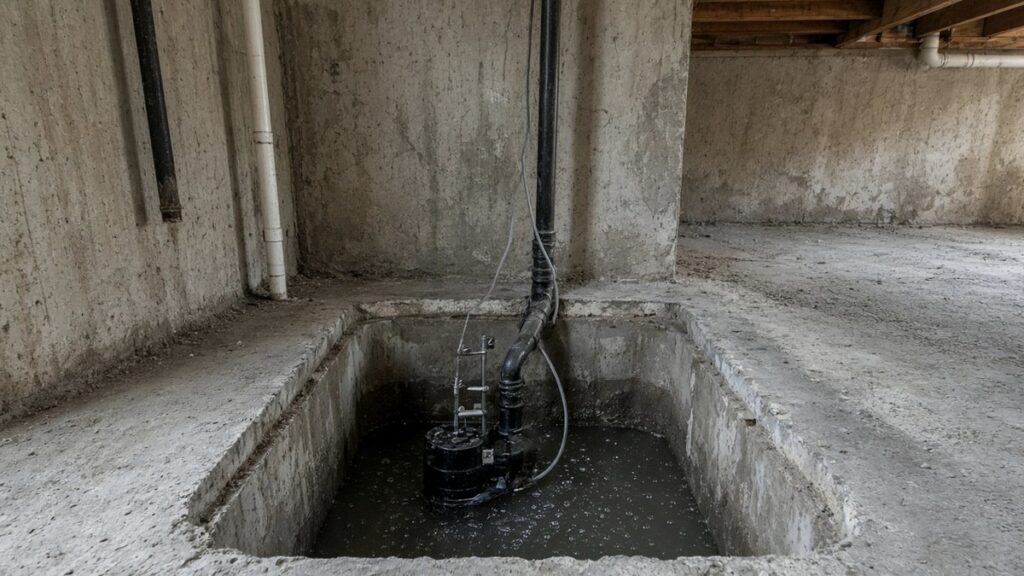
Orange, slimy sludge in a sump pit is usually iron bacteria. Iron bacteria in sump pit water is common in parts of Minnesota. This guide is written for homeowners in McGregor, Aitkin County and across Minnesota.
Table of Contents
What iron bacteria are
They’re natural bacteria that feed on iron in groundwater. They leave behind orange or rusty slime.
Problems it causes
- Clogged drain tile
- Stuck floats and switches
- Clogged pump intake
- Stains on floors and walls
Signs
- Orange slime in the pit
- Rusty stains around drains
- Pumps that fail early
Control steps
- Clean the pit often.
- Flush drain tile through cleanouts.
- Check the pump and float.
- Consider a pump with features suited to the problem.
It can come back
Iron bacteria often return. Regular care is key.
Dealing with iron bacteria in sump pit? We’re available 24/7. Call 320-280-3522 or Request an Estimate.
Why sump pumps work so hard in Minnesota
In many Minnesota homes, the sump pump is the most important appliance you never think about. It handles:
- Spring snowmelt that saturates soil for weeks
- Summer thunderstorms that dump water fast
- Fall rains on top of already wet ground
- High water tables in low-lying or lake-area properties
A pump that runs for hours during a storm wears out faster than one that runs a few times a year.
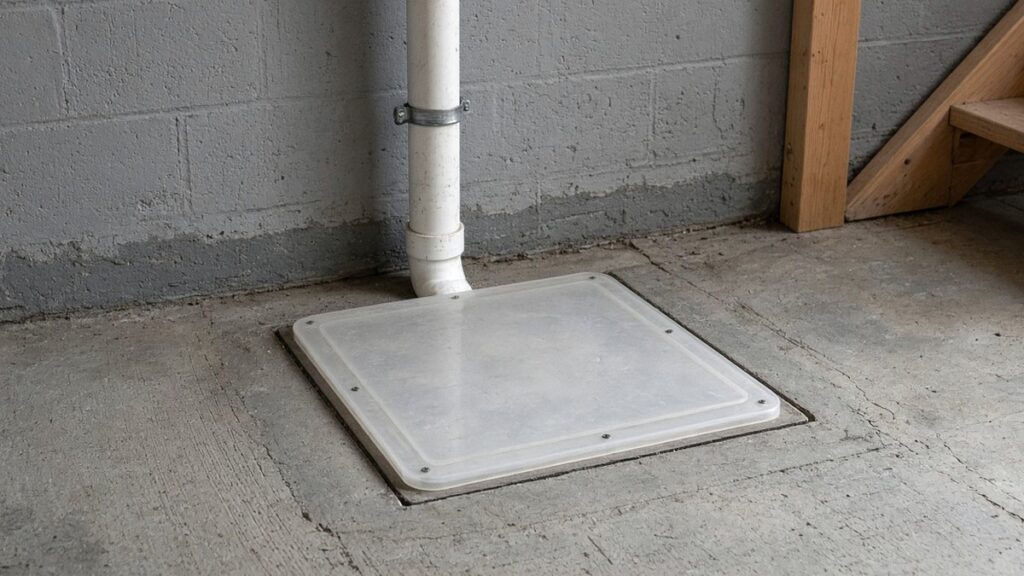
What sump pump service usually covers
A professional sump pump visit typically looks at:
- The pump itself: age, condition, float switch and check valve
- The pit: debris, silt and proper lid fit
- The discharge line: routing, slope and freeze protection outside
- Capacity: whether the pump keeps up with the water entering the pit
- Backup options: battery or water-powered backups exist; ask which fits your home
Fixing the pump is only part of it. If the pit fills fast every rain, drainage may need attention too.
Common mistakes to avoid
- Letting the pit fill with debris. Dirt and gravel can jam the float or clog the intake.
- Short discharge lines. Water dumped next to the house can cycle right back into the pit.
- No plan for power outages. Storms that bring heavy rain can also knock out power.
Quick winter to-do list for McGregor
February brings the deepest frost of the year, and the first thaws can send water toward low spots by the house.
- Walk the basement after every thaw.
- Keep downspouts clear of ice so meltwater can drain.
- Make sure the sump pit isn’t freezing or running nonstop.
- Note any damp spots with a date and photo.
- Plan spring projects now so you’re not waiting later.
What a good assessment should include
Whoever you hire, a good evaluation should:
- Look outside at gutters, downspouts, grading and window wells
- Look inside at walls, floors, cracks and the sump system
- Explain the cause, not just the symptom
- Lay out options, including simple fixes you can do yourself
- Give a written estimate before any work starts
At Secure Basement Solutions, we keep it no-pressure and education-first. You should understand the problem before you decide anything.
How it all connects
Water and soil pressure are linked. Wet soil freezes, swells and pushes on walls. That’s why wet basements MN homeowners see often come with cracks, and why basement waterproofing MN and foundation repair MN work is often planned together. Read about our basement waterproofing and foundation repair services. For more on iron bacteria in sump pit and related work, see our sump pump service page.
Trusted resources
University of Minnesota Extension covers drainage basics in its guide to moisture in basements.
Serving McGregor and Aitkin County
McGregor is in Aitkin County lake and wetland country, near Big Sandy Lake. Secure Basement Solutions is veteran-owned and based in Mora, with more than 30 years of trade experience. We serve McGregor, Aitkin County and communities across Minnesota. No pressure, education first. If iron bacteria in sump pit is on your list, we’re happy to help.
Frequently asked questions
Is iron bacteria harmful to people?
It’s mostly a nuisance, but it can damage systems.
Can it be removed for good?
Often it can only be controlled.
Where should my sump pump discharge?
Away from the foundation and toward an area where water drains away, following local rules. Never into the sanitary sewer unless allowed locally.
Why does my sump pump run when it hasn’t rained?
Snowmelt, a high water table or a failed check valve can all cause it.
Let’s take a look
No pressure, education first.
Available 24/7. Call 320-280-3522 or Request an Estimate to talk about iron bacteria in sump pit at your McGregor home.