
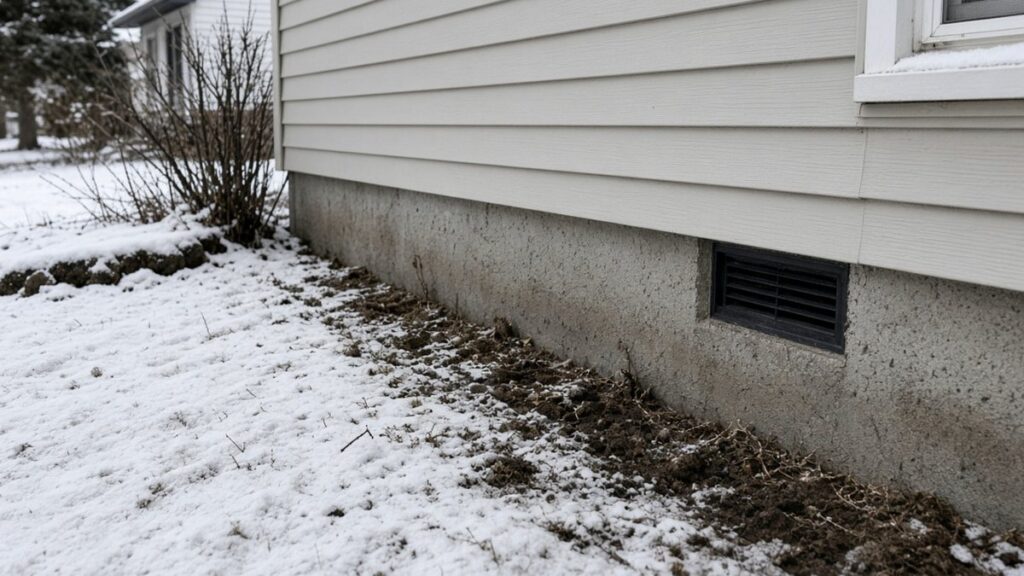
Foundation parging is the thin cement coat on the part of a foundation you can see above ground. It gives the wall a finished look and adds a layer of protection. This guide is written for homeowners in Spring Lake Park, Anoka County and across Minnesota.
Table of Contents
What foundation parging does
Parging covers block or poured concrete with a smooth, even surface. It hides seams and rough spots, and it helps shed rain off the exposed wall.
Why parging cracks and falls off
- Moisture gets behind it and freezes
- Frost expands the wall and soil each winter
- Poor bonding when it was first applied
- Age, as the coating wears down
Signs of trouble
- Hairline cracks across the coating
- Hollow spots that sound different when tapped
- Chunks falling off, showing bare block
- Stains where water runs down
What it isn’t
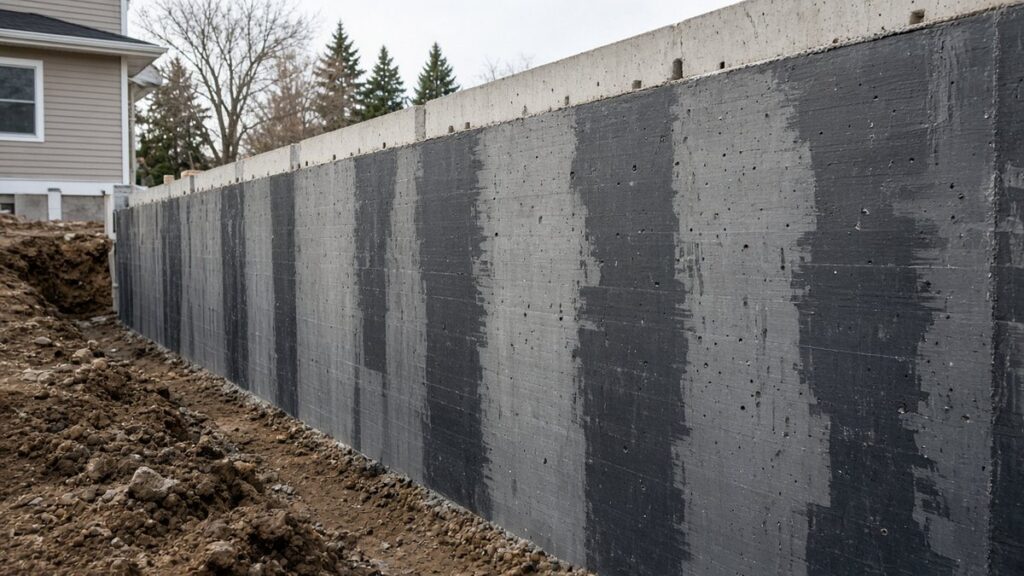
Foundation parging isn’t waterproofing. It doesn’t stop water pushing through the wall below ground. If you have basement leaks, look at drainage, cracks and the sump system.
Repair basics
Loose parging is chipped off, the wall is cleaned, and a new coat is applied in good weather. Summer and early fall are good times, since the coating needs to cure above freezing.
Look under the coating
When parging comes off, check the wall behind it. Cracks or crumbling block may need repair before new parging goes on.
Need help with foundation parging? We’re available 24/7. Call 320-280-3522 or Request an Estimate.
What puts pressure on Minnesota foundations
A foundation wall is basically a dam holding back soil. In Minnesota that soil:
- Freezes deep in winter
- Swells with water in spring
- Shrinks in dry summers
- Pushes harder when roof and yard water drain toward the house
Small movements add up. That’s why foundation problems often show up gradually.
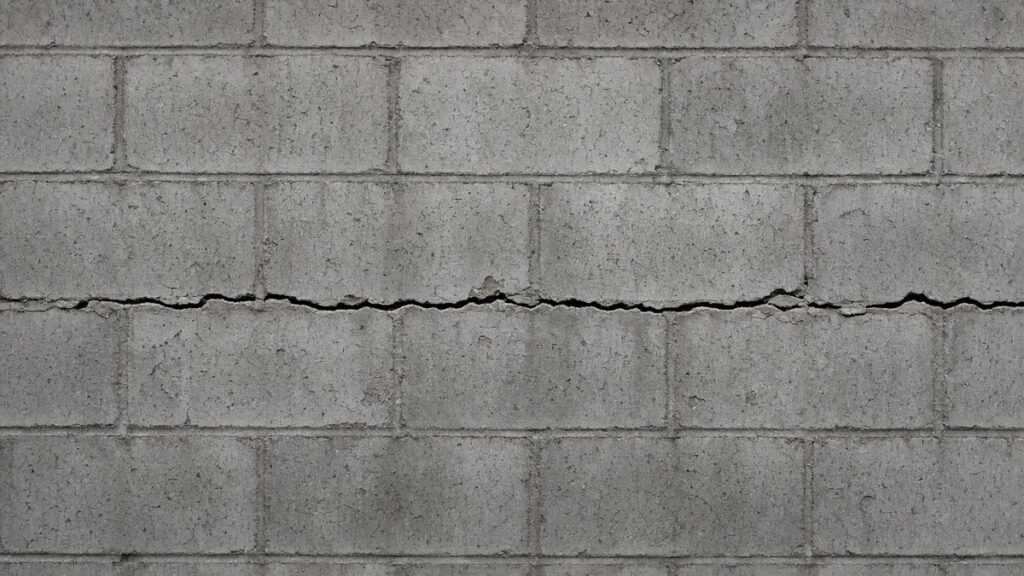
Common foundation repair approaches
The right approach depends on what’s moving and why. Common methods include:
- Wall anchors: plates on the inside wall connected to anchors in the yard, used to stabilize bowing walls.
- Wall braces or beams: steel supports that brace a wall from footing to floor joists.
- Crack repair: sealing cracks after the cause has been addressed.
- Drainage improvements: reducing the water and frost pressure that caused movement in the first place.
- Excavation and rebuild: for severe damage, part of a wall may need to be rebuilt.
Any structural concern should be evaluated in person. Photos help, but they can’t replace an on-site look.
Common mistakes to avoid
- Choosing a fix before knowing the cause. The right repair depends on why the wall or slab moved.
- Filling a structural crack and forgetting it. A cosmetic patch can hide movement that’s still happening.
- Skipping documentation. Without dated photos and measurements, it’s hard to tell if a crack is changing.
Quick fall to-do list for Spring Lake Park
September is a good month to get outdoor work done before the ground freezes.
- Clear leaves from window wells and gutters.
- Check that downspouts drain away from the house.
- Test the sump pump before freeze-up.
- Look over cracks and note any that grew this year.
- Store hoses and shut off outdoor faucets.
What a good assessment should include
Whoever you hire, a good evaluation should:
- Look outside at gutters, downspouts, grading and window wells
- Look inside at walls, floors, cracks and the sump system
- Explain the cause, not just the symptom
- Lay out options, including simple fixes you can do yourself
- Give a written estimate before any work starts
At Secure Basement Solutions, we keep it no-pressure and education-first. You should understand the problem before you decide anything.
How it all connects
Water and soil pressure are linked. Wet soil freezes, swells and pushes on walls. That’s why wet basements MN homeowners see often come with cracks, and why basement waterproofing MN and foundation repair MN work is often planned together. Read about our basement waterproofing and foundation repair services. For more on foundation parging and related work, see our foundation repair page.
Trusted resources
University of Minnesota Extension explains how water around foundations contributes to problems in its guide to moisture in basements.
Serving Spring Lake Park and Anoka County
Spring Lake Park is a compact Anoka County suburb with many homes from the 1950s through the 1970s. We’re a veteran-owned, locally owned company based in Mora with more than 30 years of trade experience. Our service area includes Spring Lake Park, Anoka County and communities across Minnesota, and we always start with education, not pressure. Call us with questions about foundation parging any time.
Frequently asked questions
Can I patch parging myself?
Small patches are a common DIY job. Large areas take practice to do well.
Is falling parging a sign of foundation damage?
Often it’s surface wear, but check for cracks underneath.
How do I track whether a crack is growing?
Mark the ends with a pencil, write the date, measure the width and take photos from the same spot every month or two.
Is every foundation crack a structural problem?
No. Many thin vertical cracks come from shrinkage. Horizontal cracks, widening cracks and bowing walls deserve a closer look.
Ready for a dry basement?
No pressure, education first.
Need help with foundation parging in Spring Lake Park? We’re available 24/7. Call 320-280-3522 or Request an Estimate and tell us what you’re seeing.