
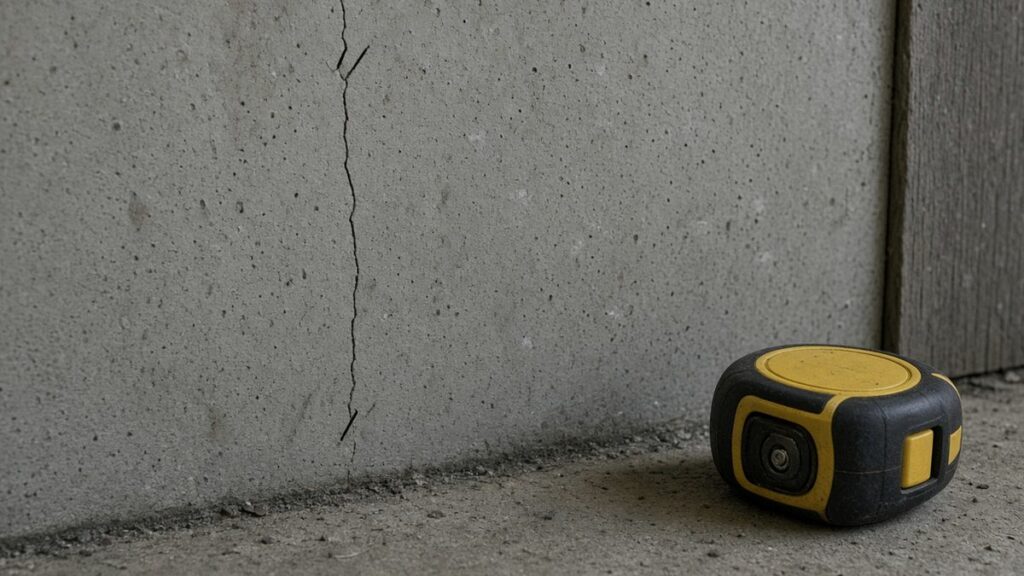
Homes near busy roads, rail lines or construction sites sometimes show new cracks. Foundation cracks from vibration are a common worry, but the cause isn’t always what it seems. This guide is written for homeowners in Brooklyn Park, Hennepin County and across Minnesota.
Table of Contents
Can vibration crack a foundation?
Strong, repeated vibration can cause small cracks, especially in older walls or walls already under stress. But many basement cracks come from other things: concrete shrinking as it cures, soil settling, frost, and water pressure. It’s easy to blame the new road work for a crack that was already there.
Common sources of vibration
- Heavy trucks on nearby roads
- Rail lines close to the home
- Construction with pile driving, compaction or blasting
- Large equipment on neighboring lots
Document before work starts
If you know construction is coming, take time to record your basement first.
- Take dated photos of every wall, with a ruler next to any crack.
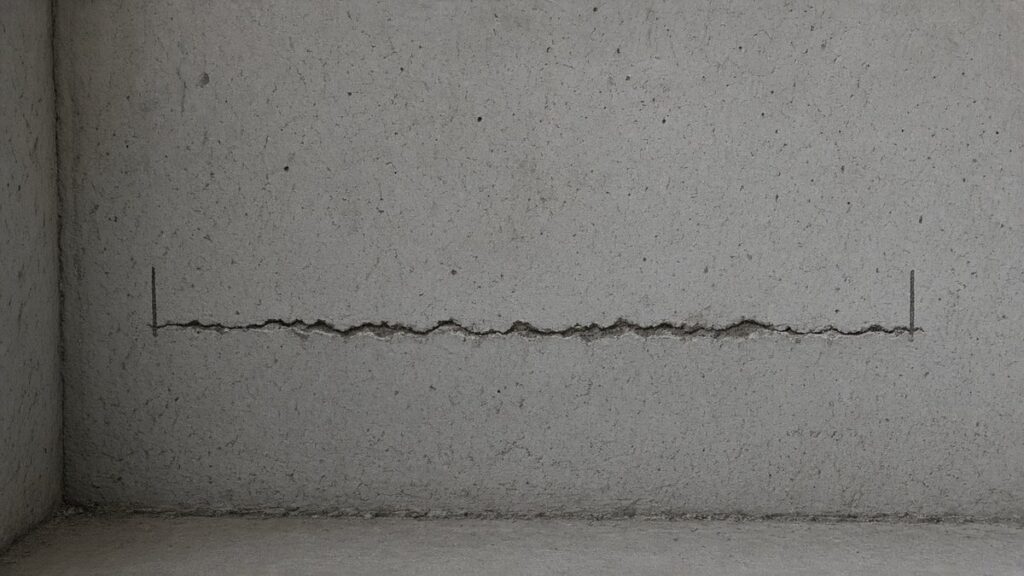
- Mark the ends of existing cracks with a pencil and date.
- Note widths at a few spots.
- Check doors and windows for how they open and close now.
Signs to watch for
- New cracks after work starts
- Existing cracks getting longer or wider
- Doors and windows that start to stick
- Drywall cracks upstairs
- New leaks at cracks
What to do if cracks appear
Compare against your photos. Keep notes with dates. If cracks grow, leak, or the wall moves, have them checked. Leaking cracks can often be sealed, and moving walls may need structural repair.
Telling causes apart
A crack that runs vertically and stays hairline thin is often shrinkage. A stair-step crack in block, a horizontal crack, or a wall that leans points to other forces, like soil pressure.
Questions about foundation cracks from vibration? We’re available 24/7. Call 320-280-3522 or Request an Estimate.
Why basement walls crack in Minnesota
Cracks are common in Minnesota foundations because of:
- Concrete shrinkage as walls cure
- Freeze-thaw cycles that widen tiny gaps every winter
- Soil pressure from wet or frozen ground
- Settlement where soil under footings compresses
Most cracks start small. Water is what turns a small crack into a real problem.
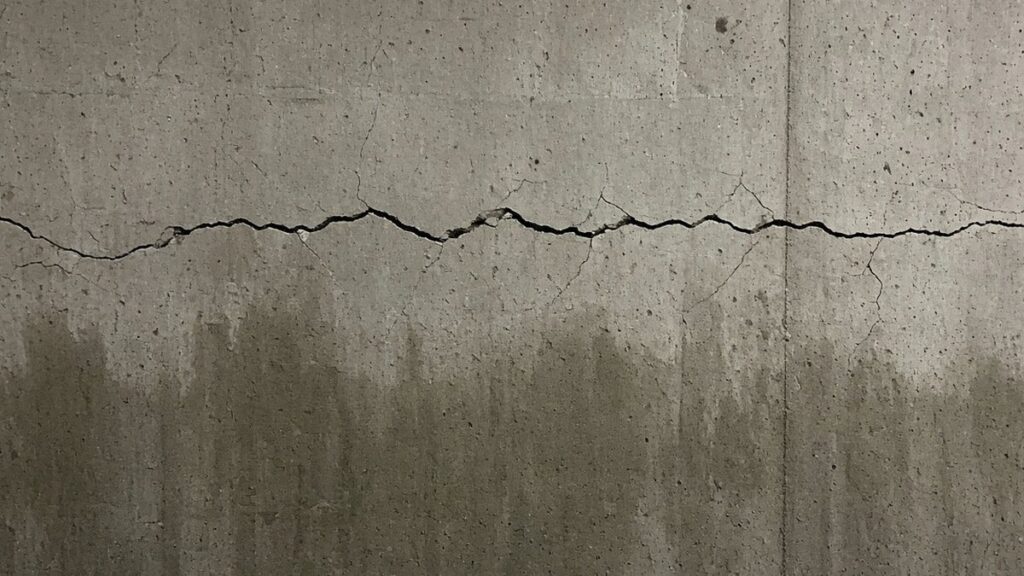
How wall cracks are typically repaired
Common professional approaches include:
- Polyurethane injection: flexible foam that expands to fill a leaking crack.
- Epoxy injection: a rigid material used on certain cracks to bond concrete.
- Drainage: relieving the water pressure that pushes water through cracks.
- Structural repair: if the wall is moving, the movement must be addressed first. See foundation repair.
Surface patches from a tube often fail because water keeps pushing from behind.
Common mistakes to avoid
- Ignoring water outside. Downspouts and grading affect how much water reaches the crack.
- Surface patching a leaking crack. Caulk or patch on the face of the wall often fails under water pressure.
- Not marking the crack. Without dated marks it’s hard to tell if a crack is growing.
Quick spring to-do list for Brooklyn Park
March is melt season, when snow turns to water and the ground is still frozen below.
- Clear snow and ice from around downspout outlets.
- Look for water lines or damp spots along the floor edge.
- Pour a bucket of water in the sump pit to test it.
- Watch cracks after rain and note any changes.
- Fill low spots in the yard once the ground thaws.
What a good assessment should include
Whoever you hire, a good evaluation should:
- Look outside at gutters, downspouts, grading and window wells
- Look inside at walls, floors, cracks and the sump system
- Explain the cause, not just the symptom
- Lay out options, including simple fixes you can do yourself
- Give a written estimate before any work starts
At Secure Basement Solutions, we keep it no-pressure and education-first. You should understand the problem before you decide anything.
How it all connects
Water is behind most wet basements MN homes see, and it’s also behind a lot of wall movement. Basement waterproofing MN projects manage the water. Foundation repair MN projects deal with walls and floors that have moved. Learn more about basement waterproofing and foundation repair. For more on foundation cracks from vibration and related work, see our wall crack repair page.
Trusted resources
University of Minnesota Extension explains how water reaches basement walls in its guide to moisture in basements.
Serving Brooklyn Park and Hennepin County
Brooklyn Park sits along the Mississippi River in northern Hennepin County. Based in Mora and veteran-owned, Secure Basement Solutions brings 30+ years of trade experience to Brooklyn Park, Hennepin County and communities across Minnesota. Expect clear answers and no pressure. Call us with questions about foundation cracks from vibration any time.
Frequently asked questions
Can I get a pre-construction survey?
Some builders and cities offer one for nearby homes. Ask before work begins.
Are hairline cracks from vibration serious?
Usually not, but track them over time.
What’s the difference between polyurethane and epoxy?
Polyurethane stays flexible and is common for leaks. Epoxy is rigid and is used where bonding the concrete matters.
Can I seal a basement crack myself?
Surface products may slow a small leak, but injection fills the crack through the wall and usually lasts longer.
Next step: a no-pressure visit
No pressure, education first.
Available 24/7. Call 320-280-3522 or Request an Estimate to talk about foundation cracks from vibration at your Brooklyn Park home.