
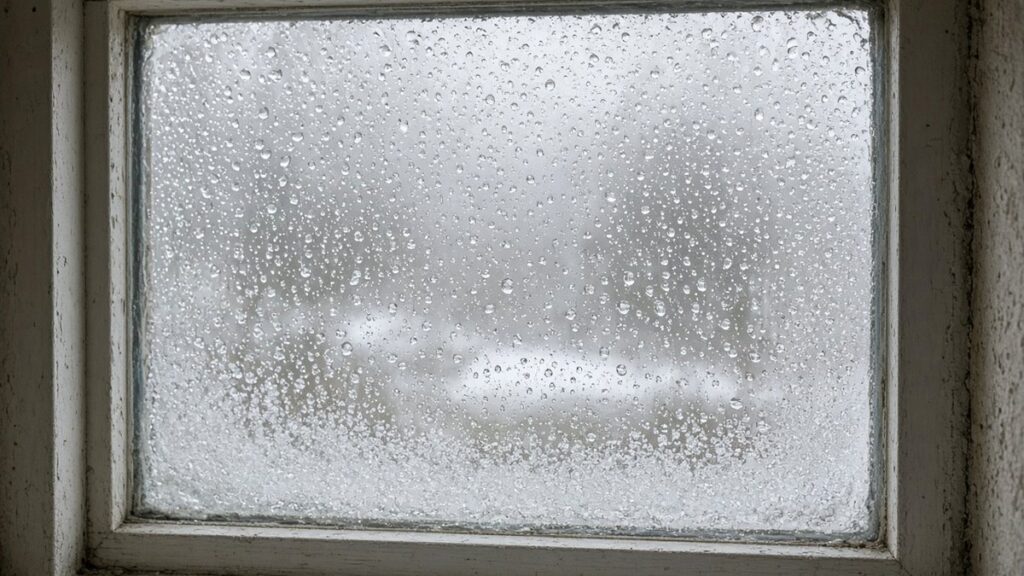
A drafty basement makes the whole house feel colder. In Minnesota winters, those drafts can also lead to frost, condensation and frozen pipes. This guide is written for homeowners in Richfield, Hennepin County and across Minnesota.
Table of Contents
Where drafts come from
- The rim joist area, where wood meets the top of the foundation
- Old basement windows with worn seals
- Gaps around pipes, wires and dryer vents
- Crawl space openings connected to the basement
- Cracks in block or poured walls
Why a drafty basement matters
Cold air brings the temperature of nearby surfaces down. When warm, moist indoor air meets them, you can get frost or water drops. Cold drafts near pipes also raise the risk of freezing.
Simple fixes to try
- Feel for drafts on a windy day with the back of your hand.
- Seal small gaps with caulk or foam made for the job.
- Weatherstrip basement windows and doors.
- Insulate the rim joist after sealing air leaks.
When drafts point to bigger problems
A drafty basement with cracks you can feel air through may need crack repair. Old windows that let in air may also let in water when snow melts. If you see damp spots near drafts, the fix may involve both sealing and drainage.
Don’t seal everything
Furnaces and water heaters need air to work safely. Keep combustion air supplies open, and ask a pro if you’re unsure.
Questions about drafty basement? We’re available 24/7. Call 320-280-3522 or Request an Estimate.
Warning signs to watch for
- Water stains on stored boxes, carpet or drywall
- Damp spots or dark lines on walls or along the floor-wall joint
- White, chalky residue (efflorescence) on concrete or block
- Musty smells that linger even when the basement looks dry
- Peeling paint or bubbling coatings on walls
Why Minnesota basements take on water
Minnesota is hard on basements. A few local conditions stack up:
- Freeze-thaw cycles open small gaps in concrete and mortar every winter.
- Spring snowmelt saturates the soil around foundations for weeks.
- Heavy summer storms can drop inches of rain in a few hours.
- Clay-rich soils in many areas hold water against the walls instead of letting it drain.
When soil around a foundation fills with water, it presses on walls and floors. That pressure, called hydrostatic pressure, pushes water through cracks, the floor-wall joint and porous concrete.
How professionals typically handle it
There’s no one-size-fits-all fix. Common basement waterproofing approaches include:
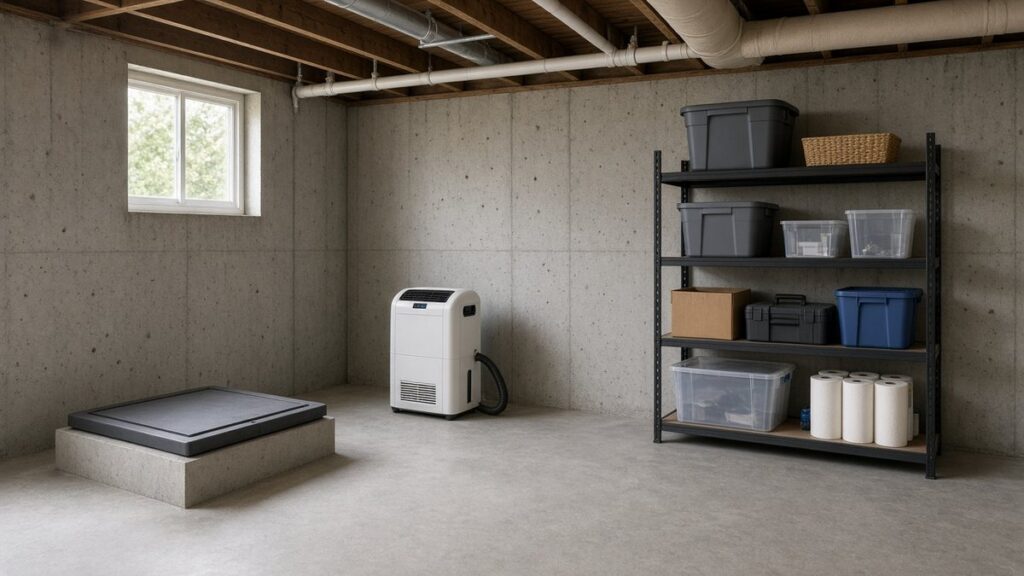
- Interior drain tile: a perforated pipe installed along the inside perimeter of the footing that collects water and sends it to a sump pit.
- Sump pump systems: pump collected water out and away from the house.
- Crack repair: injection products seal specific leaking cracks.
- Exterior drainage corrections: grading, downspout extensions and window well drains reduce how much water reaches the walls.
- Humidity control: dehumidifiers manage moisture that isn’t a true leak.
A good assessment looks at the whole picture, inside and out, before recommending anything.
Common mistakes to avoid
- Patching only the symptom. Sealing a damp spot without finding where the water comes from usually means it shows up somewhere else.
- Ignoring the outside. Gutters, downspouts and grading cause many wet basements MN homeowners deal with.
- Finishing too soon. Drywall and carpet over an untested wall can hide water until damage is done.
Fall basement checklist for Richfield
October rain and falling leaves can overload gutters and soak the soil before winter.
- Clean gutters after the leaves drop.
- Fix grading before the ground freezes.
- Service the sump pump and protect the discharge line.
- Seal leaking cracks before winter.
- Add window well covers before snow.
What a good assessment should include
Whoever you hire, a good evaluation should:
- Look outside at gutters, downspouts, grading and window wells
- Look inside at walls, floors, cracks and the sump system
- Explain the cause, not just the symptom
- Lay out options, including simple fixes you can do yourself
- Give a written estimate before any work starts
At Secure Basement Solutions, we keep it no-pressure and education-first. You should understand the problem before you decide anything.
How it all connects
Here’s the simple version. Wet basements MN families notice are usually a water problem first. Basement waterproofing handles that water. If walls have cracked or shifted, foundation repair comes in. Many homes need a little of both, so good basement waterproofing MN and foundation repair MN advice looks at the whole picture. For more on drafty basement and related work, see our basement waterproofing page.
Trusted resources
For background on why moisture matters, see the EPA’s guide to mold, moisture and your home.
Serving Richfield and Hennepin County
Richfield is filled with post-war homes, many of them with older block or poured foundations. From our home base in Mora, our veteran-owned team serves Richfield, Hennepin County and communities across Minnesota. We bring more than 30 years of trade experience and an education-first approach. Call us with questions about drafty basement any time.
Frequently asked questions
Can a drafty basement freeze pipes?
Yes. Cold air from leaks can freeze nearby pipes even when the rest of the house is warm.
Should I seal basement wall cracks to stop drafts?
If air is coming through a crack, it may also let in water. Have it looked at.
Is basement waterproofing worth it if I don’t plan to finish the basement?
Yes. Water damages stored items, raises humidity in the whole house and can encourage mold, finished or not.
Can I waterproof a basement in winter?
Interior work can often be done year-round. Ask about scheduling when you request an estimate.
Ready for a dry basement?
No pressure, education first.
Available 24/7. Call 320-280-3522 or Request an Estimate to talk about drafty basement at your Richfield home.