
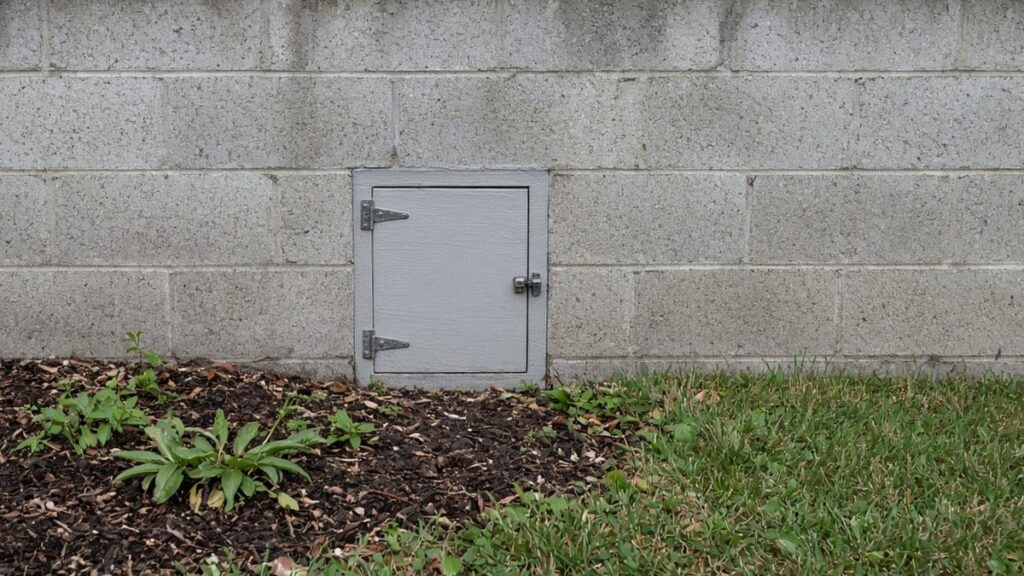
Most people avoid their crawl space. But a quick DIY crawl space inspection once or twice a year can catch problems early. This guide is written for homeowners in Anoka, Anoka County and across Minnesota.
Table of Contents
Safety first
- Wear old clothes, gloves and a mask.
- Bring a bright flashlight.
- Tell someone you’re going in.
- Watch for nails, wires and pests.
- Don’t go in if there’s standing water near electrical wiring.
What to look for
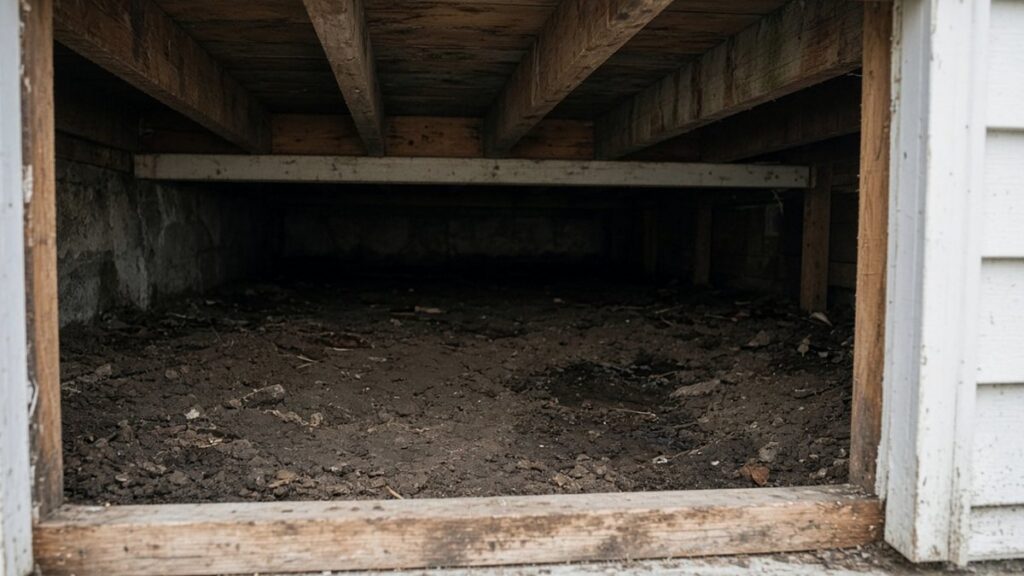
- Standing water or wet soil
- Torn vapor barrier
- Mold on joists or subfloor
- Sagging insulation
- Pest droppings or nests
- Wood rot or soft spots
- Cracks in foundation walls
- Leaks from plumbing
Use your senses
Smell can tell you a lot. A strong musty odor means moisture. Press wood with a screwdriver to feel for softness.
Take photos
Photos make it easier to compare over time and share with a pro.
When to call for help
If you see water, mold, damaged wood or sagging supports, have a pro take a closer look. A DIY crawl space inspection is about spotting, not fixing.
Questions about diy crawl space inspection? We’re available 24/7. Call 320-280-3522 or Request an Estimate.
Warning signs to watch for
- Standing water or damp soil
- Pests like insects and rodents, which are drawn to moisture
- Musty smells in rooms above the crawl space
- Cold or damp floors
- Visible mold on joists or insulation
What makes crawl spaces a moisture problem
Crawl spaces are out of sight, which makes them easy to ignore. Common issues include:
- Exposed soil with no vapor barrier
- Summer humidity entering through vents
- Standing water after rain or snowmelt
- Cold floors above due to missing insulation
Since air moves upward through a house, crawl space air affects what you breathe upstairs.
Common crawl space repair approaches
Depending on what’s found, crawl space work may include:
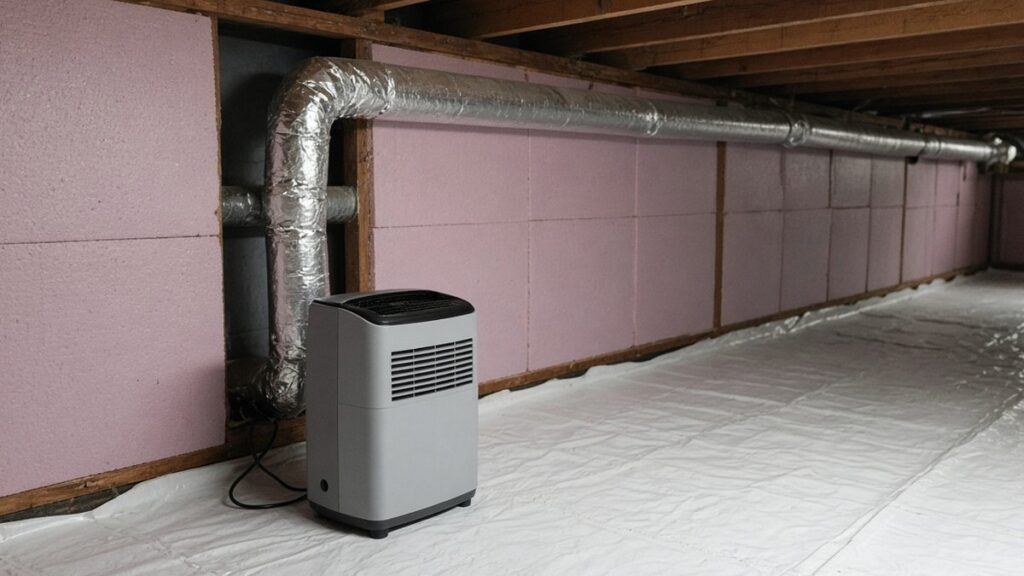
- Vapor barriers: heavy plastic sheeting over the soil to block ground moisture.
- Encapsulation: sealing the floor, walls and vents to create a closed, conditioned space.
- Drainage: directing water to a sump system so it doesn’t pool.
- Dehumidification: controlling humidity once the space is sealed.
- Insulation: on walls or rim joists to reduce cold floors.
Start with an inspection. The right fix depends on where moisture is coming from.
Common mistakes to avoid
- Ignoring the access door and rim joists. Gaps let in cold air, moisture and pests.
- Never looking inside. Many crawl space problems go unnoticed for years.
- Leaving bare soil exposed. Ground moisture rises into the crawl space and the home above.
Spring basement checklist for Anoka
March is melt season, when snow turns to water and the ground is still frozen below.
- Test the sump pump before the big melt.
- Extend downspouts well away from the house.
- Walk the basement after each melt or rain.
- Clear window well drains.
- Check grading where soil settled over winter.
What a good assessment should include
Whoever you hire, a good evaluation should:
- Look outside at gutters, downspouts, grading and window wells
- Look inside at walls, floors, cracks and the sump system
- Explain the cause, not just the symptom
- Lay out options, including simple fixes you can do yourself
- Give a written estimate before any work starts
At Secure Basement Solutions, we keep it no-pressure and education-first. You should understand the problem before you decide anything.
How it all connects
Here’s the simple version. Wet basements MN families notice are usually a water problem first. Basement waterproofing handles that water. If walls have cracked or shifted, foundation repair comes in. Many homes need a little of both, so good basement waterproofing MN and foundation repair MN advice looks at the whole picture. For more on diy crawl space inspection and related work, see our crawl space repair page.
Trusted resources
The EPA’s guide to mold, moisture and your home explains why moisture control matters.
Serving Anoka and Anoka County
Anoka is the Anoka County seat, where the Rum River meets the Mississippi. We’re a veteran-owned, locally owned company based in Mora with more than 30 years of trade experience. Our service area includes Anoka, Anoka County and communities across Minnesota, and we always start with education, not pressure. Call us with questions about diy crawl space inspection any time.
Frequently asked questions
How often should I inspect?
Spring and fall are good times.
Do I need special gear?
Basic protective gear and a good light are enough.
Should crawl space vents be open or closed?
It depends on the setup. Many sealed crawl spaces close vents, but that should be done as part of a full plan.
Is a vapor barrier enough?
Sometimes. If water pools or humidity stays high, drainage or dehumidification may also be needed.
Ready for a dry basement?
No pressure, education first.
Questions about DIY crawl space inspection? We’re available 24/7. Call 320-280-3522 or Request an Estimate.