
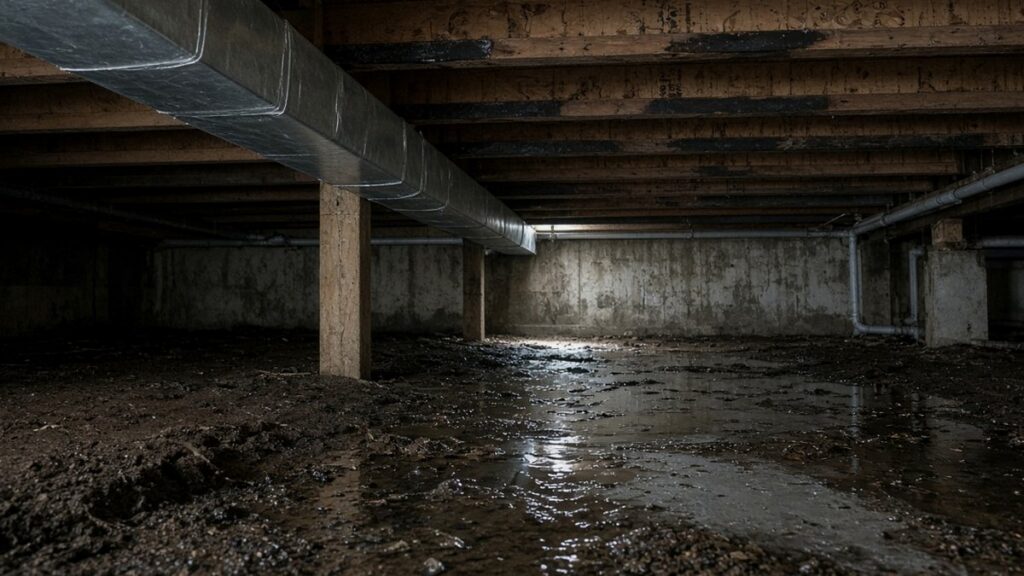
A crawl space under an addition is one of the most common setups in Minnesota. Many homes have a basement under the main house and a crawl space under a later addition. A crawl space under an addition often gets less attention, and moisture can build there. This guide is written for homeowners in Andover, Anoka County and across Minnesota.
Table of Contents
Why additions have issues
- Different foundation depth than the main house
- Joints between old and new foundations
- Less ventilation or none
- Bare soil with no barrier
Signs of problems
- Cold or damp floors in the addition
- Musty smell in that room
- Cracks at the joint between old and new
- Pests getting in
Fixes
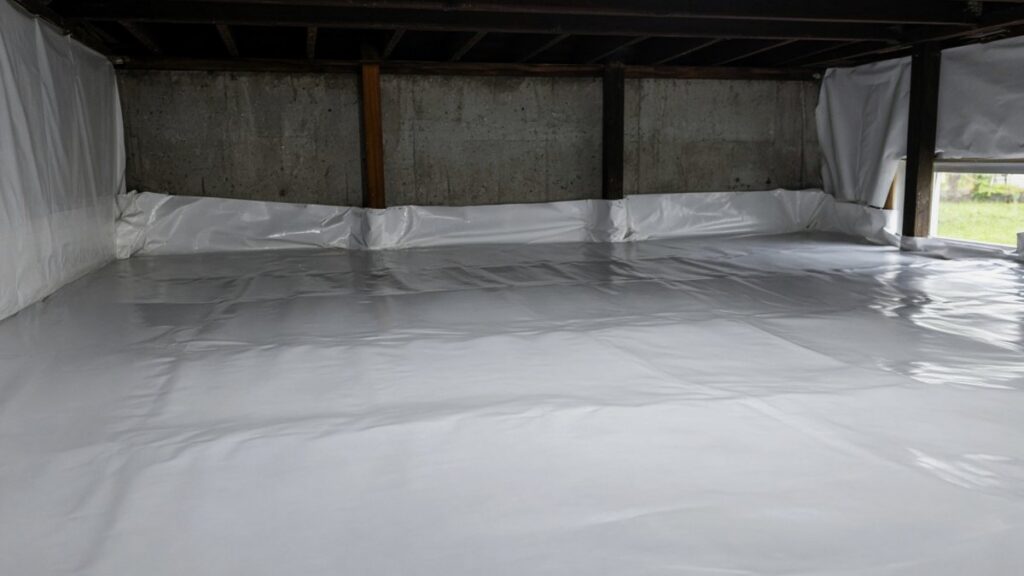
- Vapor barrier over soil
- Seal openings to the outside
- Insulate walls or floor properly
- Manage water with grading and drainage
The joint between foundations
Where the addition meets the house, the two foundations can move a little differently. Keeping water away from that joint is key.
How to check a crawl space under an addition
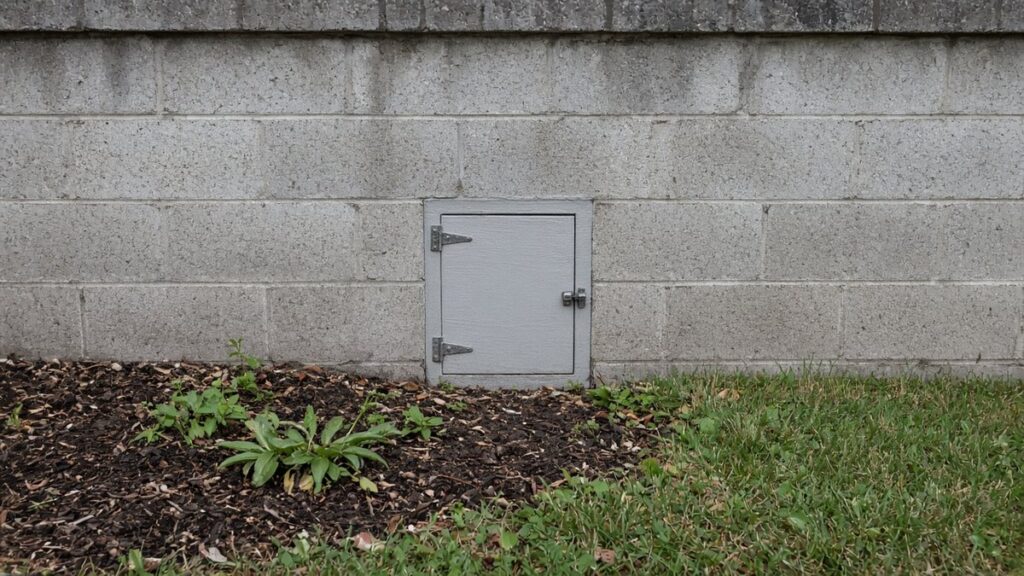
Open the access hatch and look with a bright light. Check the soil cover, the walls where the addition meets the old foundation, and the underside of the floor. Look for damp insulation, stains on wood and gaps where cold air or pests can get in.
Heating and cold floors
If the room above feels cold, the crawl space under an addition may be losing heat through bare walls or open vents. Insulating the walls and sealing gaps often helps comfort as well as moisture.
Questions about crawl space under an addition? We’re available 24/7. Call 320-280-3522 or Request an Estimate.
What makes crawl spaces a moisture problem
Crawl spaces are out of sight, which makes them easy to ignore. Common issues include:
- Exposed soil with no vapor barrier
- Summer humidity entering through vents
- Standing water after rain or snowmelt
- Cold floors above due to missing insulation
Since air moves upward through a house, crawl space air affects what you breathe upstairs.
Common crawl space repair approaches
Depending on what’s found, crawl space work may include:
- Vapor barriers: heavy plastic sheeting over the soil to block ground moisture.
- Encapsulation: sealing the floor, walls and vents to create a closed, conditioned space.
- Drainage: directing water to a sump system so it doesn’t pool.
- Dehumidification: controlling humidity once the space is sealed.
- Insulation: on walls or rim joists to reduce cold floors.
Start with an inspection. The right fix depends on where moisture is coming from.
Common mistakes to avoid
- Never looking inside. Many crawl space problems go unnoticed for years.
- Leaving bare soil exposed. Ground moisture rises into the crawl space and the home above.
- Trapping water behind insulation. Insulating before fixing moisture can lead to rot and mold.
Quick spring to-do list for Andover
March is melt season, when snow turns to water and the ground is still frozen below.
- Clear snow and ice from around downspout outlets.
- Look for water lines or damp spots along the floor edge.
- Pour a bucket of water in the sump pit to test it.
- Watch cracks after rain and note any changes.
- Fill low spots in the yard once the ground thaws.
Questions to ask before you hire anyone
Before you pick a contractor, ask:
- What’s causing the problem?
- What are my options, and what are the trade-offs?
- Is there anything I can do myself first?
- What’s included in the estimate?
- Is a warranty offered, and what does it cover?
You can also check contractor licensing through the Minnesota Department of Labor and Industry. A good contractor will answer clearly and won’t rush you.
How it all connects
Most wet basements MN homeowners deal with come from more than one cause. Water, frost and soil pressure work together. That’s why basement waterproofing and foundation repair often go hand in hand. Good basement waterproofing MN work controls water, and good foundation repair MN work keeps walls stable. For more on crawl space under an addition and related work, see our crawl space repair page.
Trusted resources
University of Minnesota Extension covers moisture in basements, including crawl spaces.
Serving Andover and Anoka County
Andover is in Anoka County on the Anoka Sand Plain, with many homes built from the 1980s on. Based in Mora and veteran-owned, Secure Basement Solutions brings 30+ years of trade experience to Andover, Anoka County and communities across Minnesota. Expect clear answers and no pressure. We can help with crawl space under an addition and any other basement questions you have.
Frequently asked questions
Should the crawl space connect to the basement?
Some do. Air flow and moisture should be planned.
Is a crawl space under an addition common?
Very common in Minnesota.
Should crawl space vents be open or closed?
It depends on the setup. Many sealed crawl spaces close vents, but that should be done as part of a full plan.
Is a vapor barrier enough?
Sometimes. If water pools or humidity stays high, drainage or dehumidification may also be needed.
We’re here when you need us
No pressure, education first.
Available 24/7. Call 320-280-3522 or Request an Estimate to talk about crawl space under an addition at your Andover home.