
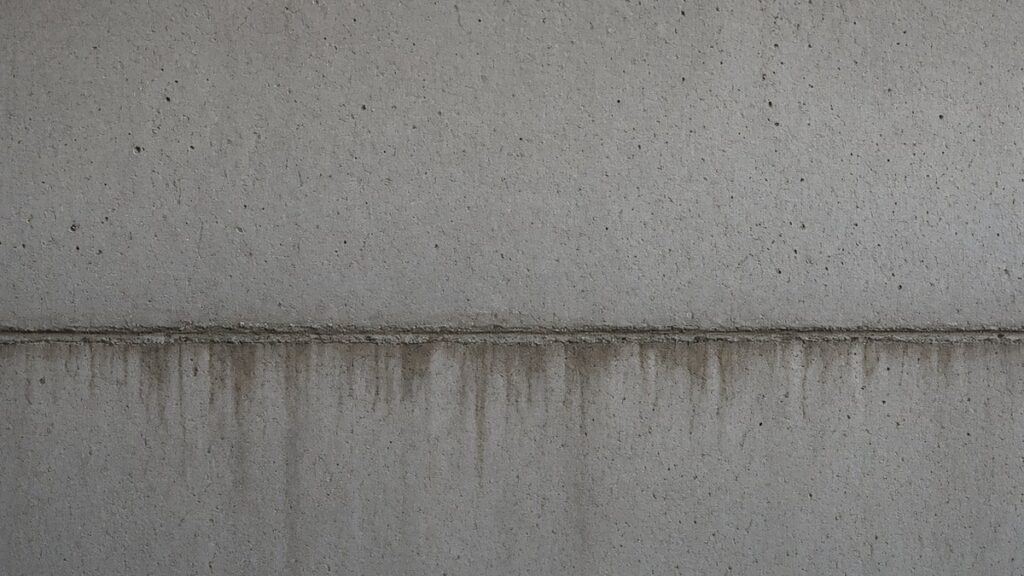
Sometimes a basement wall shows a line where one pour of concrete met another. A cold joint in basement wall concrete can be a leak point. This guide is written for homeowners in Roseville, Ramsey County and across Minnesota.
Table of Contents
What a cold joint is
When concrete is poured in stages and the first pour starts to set before the next, the two don’t fully bond. The line between them is a cold joint.
Why it leaks
Water finds the seam and moves through it.
Signs
- A line across the wall
- Damp streaks after rain
- Efflorescence along the joint
Fixes
- Injection to seal the joint
- Exterior waterproofing
- Drainage improvements
How to spot a cold joint
Look for a straight or wavy line running across the wall, often at a consistent height. The concrete may look slightly different above and below. A cold joint in basement wall concrete may also show darker damp streaks after storms.
Cold joint vs crack
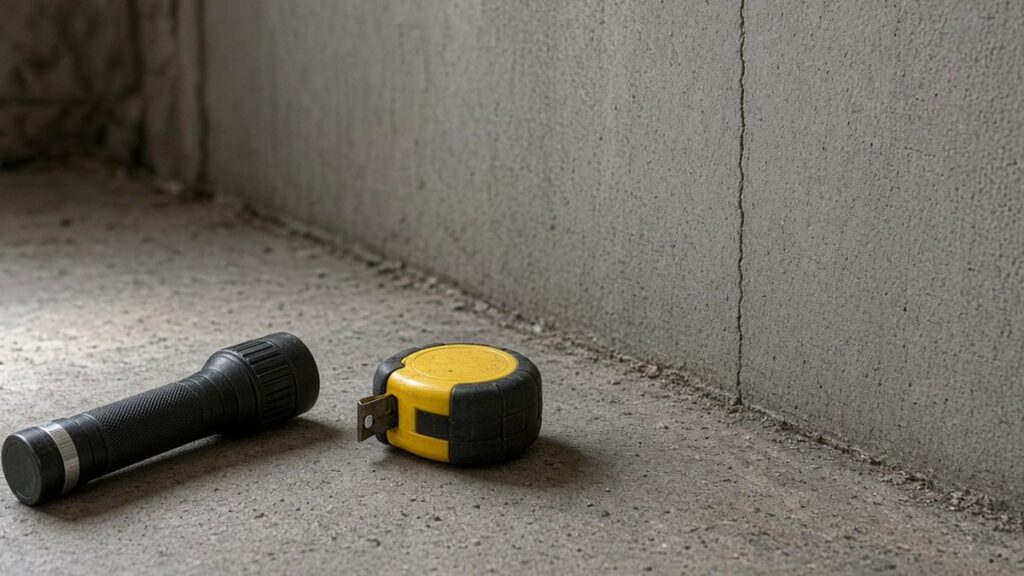
Cracks usually wander and may run vertically or diagonally. A cold joint follows the edge of a pour. Both can leak, and both can often be sealed.
Keep water away outside
Good grading, gutters and downspout extensions lower how much water reaches the joint in the first place.
Questions about cold joint in basement wall? We’re available 24/7. Call 320-280-3522 or Request an Estimate.
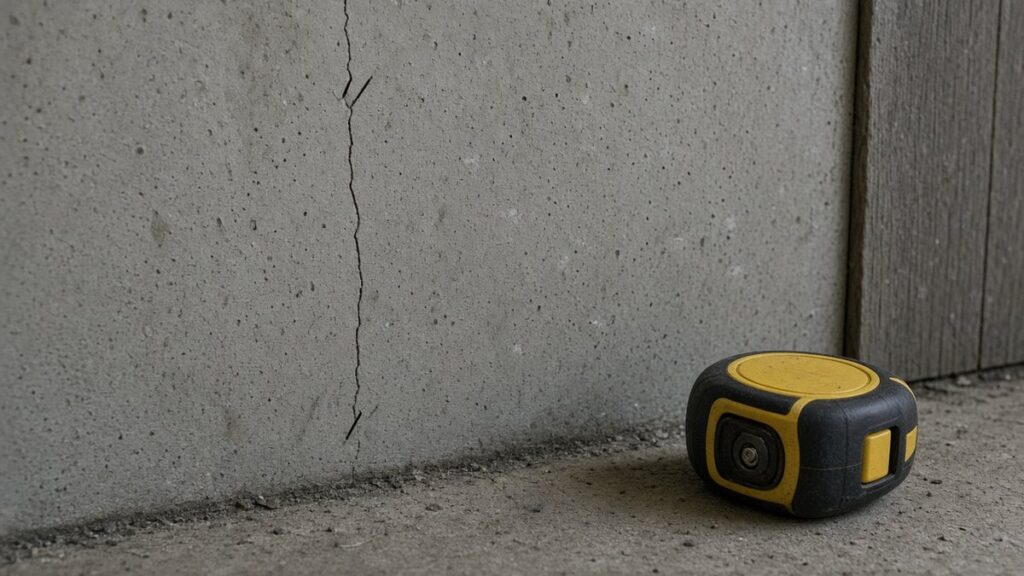
Where basement wall cracks come from
Basement walls crack for a few main reasons:
- Shrinkage during curing (usually thin and vertical)
- Settlement (often diagonal, wider at one end)
- Pressure from soil and frost (often horizontal)
- Frost that widens existing cracks each winter
Each type tells a different story, so look closely before choosing a fix.
How wall cracks are typically repaired
Common professional approaches include:
- Polyurethane injection: flexible foam that expands to fill a leaking crack.
- Epoxy injection: a rigid material used on certain cracks to bond concrete.
- Drainage: relieving the water pressure that pushes water through cracks.
- Structural repair: if the wall is moving, the movement must be addressed first. See foundation repair.
Surface patches from a tube often fail because water keeps pushing from behind.
Common mistakes to avoid
- Surface patching a leaking crack. Caulk or patch on the face of the wall often fails under water pressure.
- Not marking the crack. Without dated marks it’s hard to tell if a crack is growing.
- Treating every crack the same. Horizontal and stair-step cracks need a different look than small vertical ones.
Quick spring to-do list for Roseville
April rain on thawing soil keeps sump pumps busy across Minnesota.
- Clear snow and ice from around downspout outlets.
- Look for water lines or damp spots along the floor edge.
- Pour a bucket of water in the sump pit to test it.
- Watch cracks after rain and note any changes.
- Fill low spots in the yard once the ground thaws.
Questions to ask before you hire anyone
Before you pick a contractor, ask:
- What’s causing the problem?
- What are my options, and what are the trade-offs?
- Is there anything I can do myself first?
- What’s included in the estimate?
- Is a warranty offered, and what does it cover?
You can also check contractor licensing through the Minnesota Department of Labor and Industry. A good contractor will answer clearly and won’t rush you.
How it all connects
Water and soil pressure are linked. Wet soil freezes, swells and pushes on walls. That’s why wet basements MN homeowners see often come with cracks, and why basement waterproofing MN and foundation repair MN work is often planned together. Read about our basement waterproofing and foundation repair services. For more on cold joint in basement wall and related work, see our wall crack repair page.
Trusted resources
University of Minnesota Extension explains how water reaches basement walls in its guide to moisture in basements.
Serving Roseville and Ramsey County
Roseville is a first-ring Ramsey County suburb with lakes and many mid-century homes. Secure Basement Solutions is veteran-owned and based in Mora, with more than 30 years of trade experience. We serve Roseville, Ramsey County and communities across Minnesota. No pressure, education first. We can help with cold joint in basement wall and any other basement questions you have.
Frequently asked questions
Is a cold joint a structural problem?
Usually it’s a leak issue.
Can it be sealed?
Often with injection.
Should I repair a crack before finishing my basement?
Yes. It’s much easier to fix cracks before walls are covered.
What’s the difference between polyurethane and epoxy?
Polyurethane stays flexible and is common for leaks. Epoxy is rigid and is used where bonding the concrete matters.
We’re here when you need us
No pressure, education first.
Questions about cold joint in basement wall? We’re available 24/7. Call 320-280-3522 or Request an Estimate.