
Much of Minnesota has clay soils. A clay soil foundation can do fine for decades, but wet springs show how much pressure clay can put on basement walls. This guide is written for homeowners in Cambridge, Isanti County and across Minnesota.
Table of Contents
How clay soil behaves
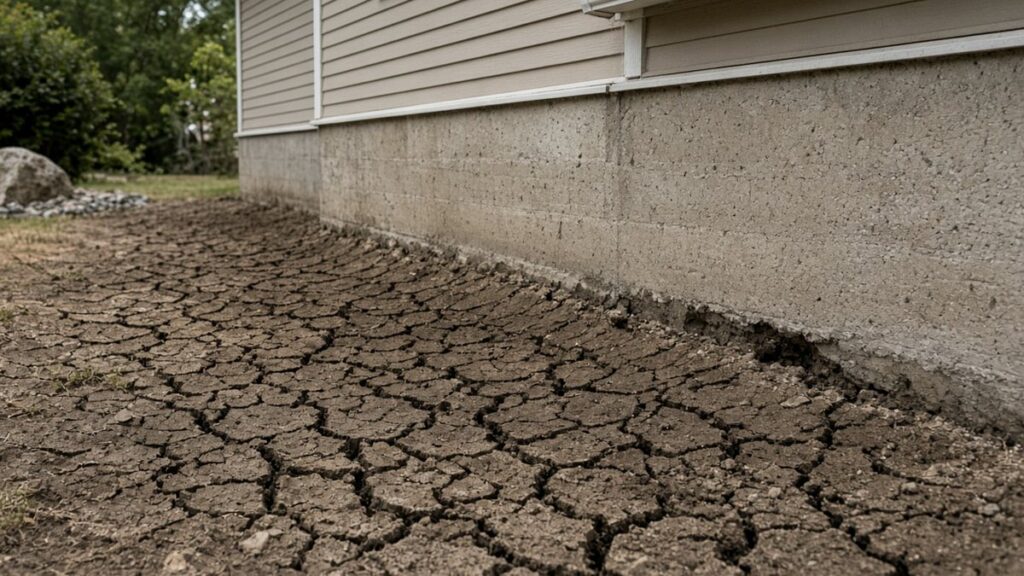
Clay holds water. When it’s wet, it swells. When it dries, it shrinks and pulls away. In winter, wet clay can freeze and expand even more.
Why a clay soil foundation feels pressure
- Swelling soil pushes on walls
- Water sits against the foundation instead of draining
- Frost in wet clay adds force
- Shrinking soil in drought leaves gaps that fill with water later
Signs of trouble
- Horizontal cracks in block walls
- Walls that bow or lean inward
- Leaks after long wet stretches
- Gaps between soil and foundation in summer
Drainage is the first line of defense
Keeping water away from a clay soil foundation lowers the swelling and the frost pressure. That means:
- Good grading that slopes away
- Long downspout extensions
- Working drain tile and a sump system
When repair is needed
If walls have moved, drainage alone won’t push them back. Options may include anchors, bracing or other wall repairs. A good assessment looks at both the soil and the water.
Dealing with clay soil foundation? We’re available 24/7. Call 320-280-3522 or Request an Estimate.
What puts pressure on Minnesota foundations
A foundation wall is basically a dam holding back soil. In Minnesota that soil:
- Freezes deep in winter
- Swells with water in spring
- Shrinks in dry summers
- Pushes harder when roof and yard water drain toward the house
Small movements add up. That’s why foundation problems often show up gradually.
Common foundation repair approaches
The right approach depends on what’s moving and why. Common methods include:
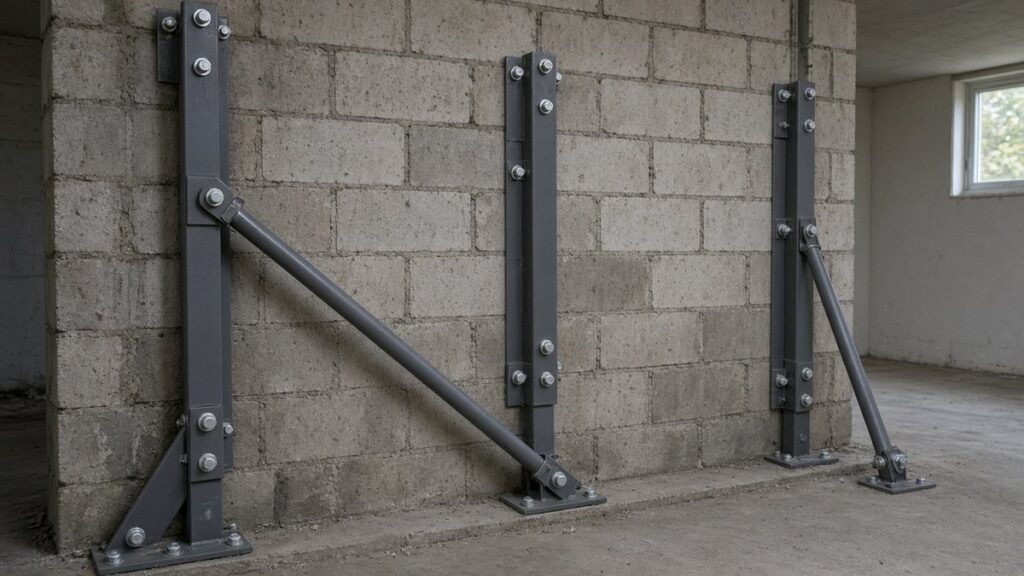
- Wall anchors: plates on the inside wall connected to anchors in the yard, used to stabilize bowing walls.
- Wall braces or beams: steel supports that brace a wall from footing to floor joists.
- Crack repair: sealing cracks after the cause has been addressed.
- Drainage improvements: reducing the water and frost pressure that caused movement in the first place.
- Excavation and rebuild: for severe damage, part of a wall may need to be rebuilt.
Any structural concern should be evaluated in person. Photos help, but they can’t replace an on-site look.
Common mistakes to avoid
- Ignoring drainage. Wet, frozen soil adds pressure on walls, so water control is part of most foundation repair MN plans.
- Choosing a fix before knowing the cause. The right repair depends on why the wall or slab moved.
- Filling a structural crack and forgetting it. A cosmetic patch can hide movement that’s still happening.
Quick summer to-do list for Cambridge
Midsummer storms and sticky air both test a basement in July.
- Empty or drain the dehumidifier regularly.
- Point sprinklers away from the foundation.
- Check gutters after big storms.
- Look for musty smells in closets and storage areas.
- Book outdoor work before fall gets busy.
What a good assessment should include
Whoever you hire, a good evaluation should:
- Look outside at gutters, downspouts, grading and window wells
- Look inside at walls, floors, cracks and the sump system
- Explain the cause, not just the symptom
- Lay out options, including simple fixes you can do yourself
- Give a written estimate before any work starts
At Secure Basement Solutions, we keep it no-pressure and education-first. You should understand the problem before you decide anything.
How it all connects
Here’s the simple version. Wet basements MN families notice are usually a water problem first. Basement waterproofing handles that water. If walls have cracked or shifted, foundation repair comes in. Many homes need a little of both, so good basement waterproofing MN and foundation repair MN advice looks at the whole picture. For more on clay soil foundation and related work, see our foundation repair page.
Trusted resources
University of Minnesota Extension explains how water around foundations contributes to problems in its guide to moisture in basements.
Serving Cambridge and Isanti County
Cambridge is the Isanti County seat, and the Rum River winds right through town. We’re a veteran-owned, locally owned company based in Mora with more than 30 years of trade experience. Our service area includes Cambridge, Isanti County and communities across Minnesota, and we always start with education, not pressure. We can help with clay soil foundation and any other basement questions you have.
Frequently asked questions
Is clay soil bad for foundations?
It can be hard on them because it holds water and swells. Good drainage helps a lot.
Does clay soil cause cracks?
Swelling and freezing clay can add pressure that leads to cracks.
Will foundation repair stop my basement from leaking?
Not always. Structural repair and waterproofing solve different problems, though they’re often planned together.
How do I track whether a crack is growing?
Mark the ends with a pencil, write the date, measure the width and take photos from the same spot every month or two.
Get a clear answer
No pressure, education first.
Questions about clay soil foundation? We’re available 24/7. Call 320-280-3522 or Request an Estimate.