
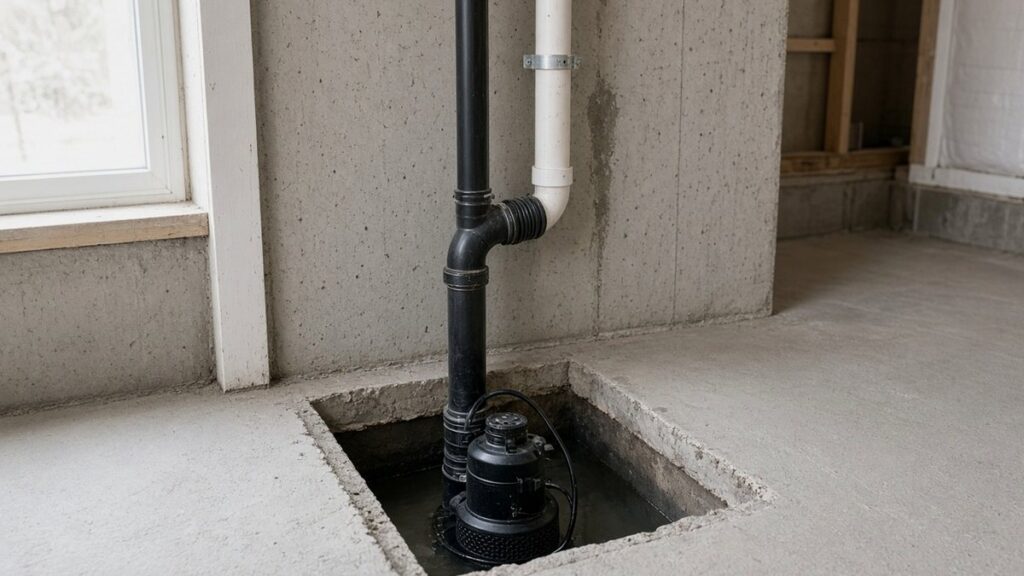
When it’s time to replace a sump pump, you’ll see two main body types. The cast iron vs plastic sump pump choice is one of the first decisions. This guide is written for homeowners in West St. Paul, Dakota County and across Minnesota.
Table of Contents
Cast iron pumps
- Heavy and durable
- Handle heat well, which helps motors that run often
- Stay put in the pit
Plastic pumps
- Lighter and easier to handle
- Often lower in cost
- Fine for light use in many homes
Cast iron vs plastic sump pump: key differences
- Heat: cast iron draws heat away from the motor.
- Durability: cast iron holds up to heavy use.
- Weight: plastic is easier to lift.
- Use: busy pits often favor cast iron.
What matters as much as the body
- Switch type and quality
- Pump capacity for your pit
- Check valve in good shape
- Discharge line that drains well
- Backup for outages
Fall is a good time to replace
Swapping the pump in fall means it’s ready for spring.
Need help with cast iron vs plastic sump pump? We’re available 24/7. Call 320-280-3522 or Request an Estimate.
Warning signs to watch for
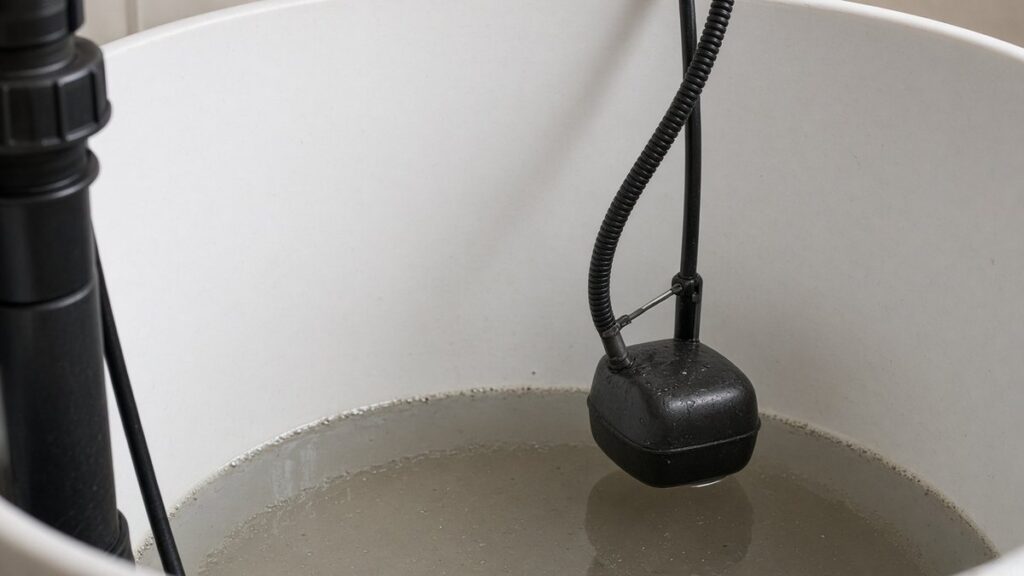
- A float that sticks or catches on the pit wall
- Water in the pit that isn’t going down
- The pump’s age: many pumps are replaced after several years of hard use
- Strange noises like grinding, rattling or humming
- Running constantly or turning on and off rapidly
What a sump pump is up against here
Minnesota weather gives sump pumps a tough workload:
- Long run times during snowmelt
- Sudden surges in thunderstorms
- Frozen discharge lines in winter
- Power outages during the storms when you need the pump most
That’s why regular checks matter so much.
What sump pump service usually covers
A professional sump pump visit typically looks at:
- The pump itself: age, condition, float switch and check valve
- The pit: debris, silt and proper lid fit
- The discharge line: routing, slope and freeze protection outside
- Capacity: whether the pump keeps up with the water entering the pit
- Backup options: battery or water-powered backups exist; ask which fits your home
Fixing the pump is only part of it. If the pit fills fast every rain, drainage may need attention too.
Common mistakes to avoid
- No plan for power outages. Storms that bring heavy rain can also knock out power.
- Never testing the pump. Many failures are found during a storm instead of before it.
- Letting the pit fill with debris. Dirt and gravel can jam the float or clog the intake.
Quick summer to-do list for West St. Paul
June thunderstorms can drop a lot of rain in a short time.
- Empty or drain the dehumidifier regularly.
- Point sprinklers away from the foundation.
- Check gutters after big storms.
- Look for musty smells in closets and storage areas.
- Book outdoor work before fall gets busy.
What a good assessment should include
Whoever you hire, a good evaluation should:
- Look outside at gutters, downspouts, grading and window wells
- Look inside at walls, floors, cracks and the sump system
- Explain the cause, not just the symptom
- Lay out options, including simple fixes you can do yourself
- Give a written estimate before any work starts
At Secure Basement Solutions, we keep it no-pressure and education-first. You should understand the problem before you decide anything.
How it all connects
Most wet basements MN homeowners deal with come from more than one cause. Water, frost and soil pressure work together. That’s why basement waterproofing and foundation repair often go hand in hand. Good basement waterproofing MN work controls water, and good foundation repair MN work keeps walls stable. For more on cast iron vs plastic sump pump and related work, see our sump pump service page.
Trusted resources
University of Minnesota Extension covers drainage basics in its guide to moisture in basements.
Serving West St. Paul and Dakota County
West St. Paul has many post-war homes on compact city lots. Based in Mora and veteran-owned, Secure Basement Solutions brings 30+ years of trade experience to West St. Paul, Dakota County and communities across Minnesota. Expect clear answers and no pressure. Call us with questions about cast iron vs plastic sump pump any time.
Frequently asked questions
Do cast iron pumps last longer?
They often handle heavy use better.
Is plastic okay?
For lighter use, many homes do fine.
Why does my sump pump run when it hasn’t rained?
Snowmelt, a high water table or a failed check valve can all cause it.
How often should I test my sump pump?
Every few months, and always before spring melt. Pour a bucket of water into the pit and watch it cycle.
We’re here when you need us
No pressure, education first.
Questions about cast iron vs plastic sump pump? We’re available 24/7. Call 320-280-3522 or Request an Estimate.