
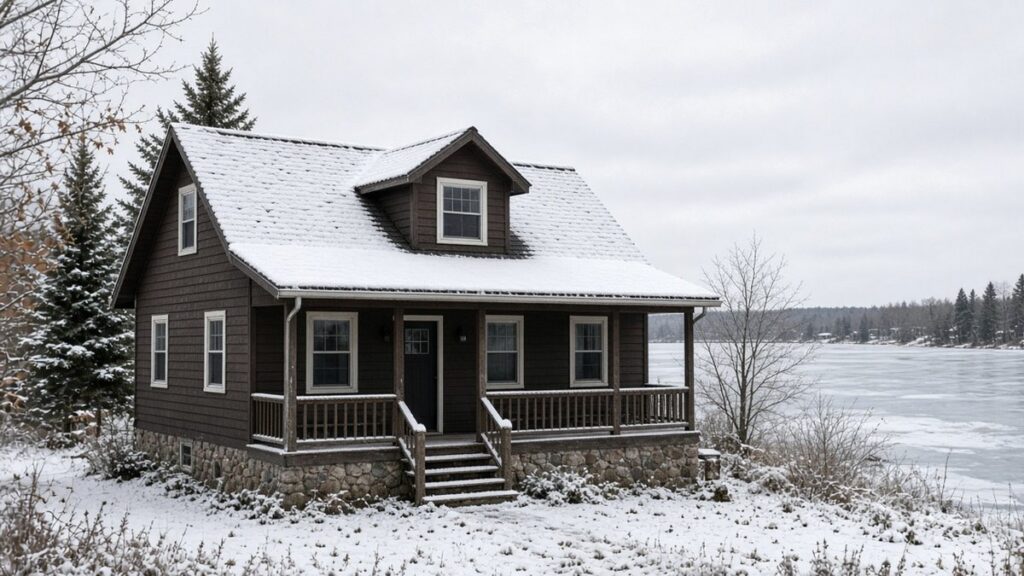
Closing up the cabin for the season? Cabin basement winterizing is easy to skip, but a wet or frozen basement can be a nasty spring surprise. This guide is written for homeowners in Vadnais Heights, Ramsey County and across Minnesota.
Table of Contents
Why cabins need extra care
Cabins sit empty for weeks or months. Many are near lakes with high groundwater. No one is there to notice a pump failure, a frozen line or a thaw that sends water toward the house.
Cabin basement winterizing checklist
- Test the sump pump and make sure the discharge runs well away from the house.
- Protect the discharge line so it doesn’t freeze shut.
- Drain water lines or keep heat on, based on how the cabin is set up.
- Clean gutters after the leaves fall.
- Extend downspouts past the frozen zone.
- Clear window wells and add covers.
- Unplug or drain the dehumidifier so it doesn’t overflow.
Think about power and alarms
If the cabin stays heated, a power outage can be a big problem. A sump alarm or a smart sensor that sends a phone alert can warn you about water or low temperatures while you’re away.
Check the outside
Walk the cabin’s foundation. Look for low spots, soil that slopes toward the house and cracks that grew this year. Fall is the last easy time to fix grading before the ground freezes.
Ask a neighbor
A neighbor or caretaker who checks in after big storms or thaws can catch problems early.
When to get help
If the cabin basement took on water this year, have it looked at before winter. Cabin basement winterizing works best when the drainage is already in good shape.
Need help with cabin basement winterizing? We’re available 24/7. Call 320-280-3522 or Request an Estimate.
Warning signs to watch for
- Musty smells that linger even when the basement looks dry
- Peeling paint or bubbling coatings on walls
- Rust on metal shelving, appliance legs or furnace bases
- Water stains on stored boxes, carpet or drywall
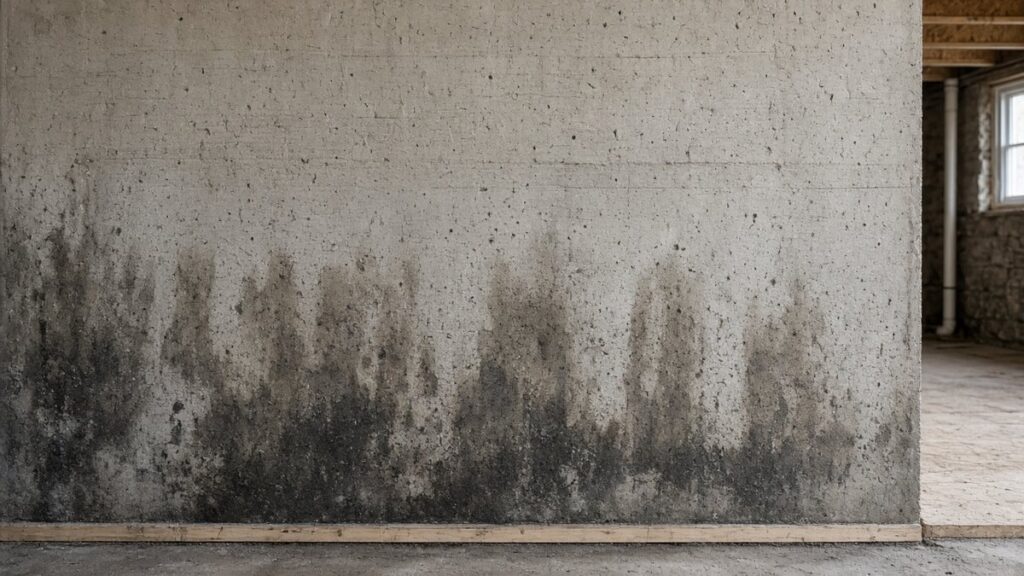
- Damp spots or dark lines on walls or along the floor-wall joint
Why Minnesota basements take on water
Minnesota is hard on basements. A few local conditions stack up:
- Freeze-thaw cycles open small gaps in concrete and mortar every winter.
- Spring snowmelt saturates the soil around foundations for weeks.
- Heavy summer storms can drop inches of rain in a few hours.
- Clay-rich soils in many areas hold water against the walls instead of letting it drain.
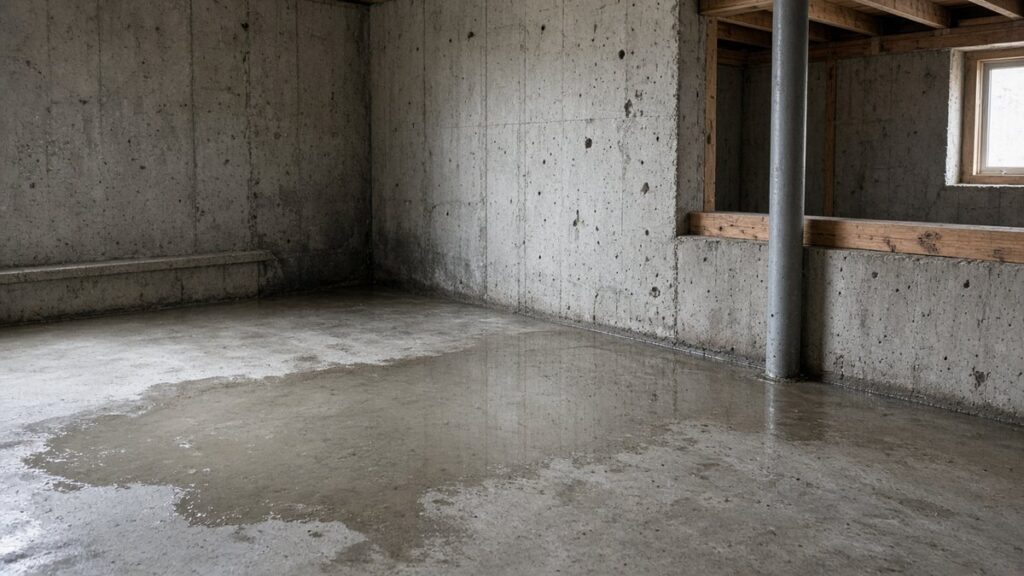
When soil around a foundation fills with water, it presses on walls and floors. That pressure, called hydrostatic pressure, pushes water through cracks, the floor-wall joint and porous concrete.
How professionals typically handle it
There’s no one-size-fits-all fix. Common basement waterproofing approaches include:
- Interior drain tile: a perforated pipe installed along the inside perimeter of the footing that collects water and sends it to a sump pit.
- Sump pump systems: pump collected water out and away from the house.
- Crack repair: injection products seal specific leaking cracks.
- Exterior drainage corrections: grading, downspout extensions and window well drains reduce how much water reaches the walls.
- Humidity control: dehumidifiers manage moisture that isn’t a true leak.
A good assessment looks at the whole picture, inside and out, before recommending anything.
Common mistakes to avoid
- Ignoring the outside. Gutters, downspouts and grading cause many wet basements MN homeowners deal with.
- Finishing too soon. Drywall and carpet over an untested wall can hide water until damage is done.
- Waiting for the next storm. Small seepage tends to grow with each wet season.
Spring basement checklist for Vadnais Heights
By May, the frost is out and it’s a good time to look at drainage around the house.
- Test the sump pump before the big melt.
- Extend downspouts well away from the house.
- Walk the basement after each melt or rain.
- Clear window well drains.
- Check grading where soil settled over winter.
Questions to ask before you hire anyone
Before you pick a contractor, ask:
- What’s causing the problem?
- What are my options, and what are the trade-offs?
- Is there anything I can do myself first?
- What’s included in the estimate?
- Is a warranty offered, and what does it cover?
You can also check contractor licensing through the Minnesota Department of Labor and Industry. A good contractor will answer clearly and won’t rush you.
How it all connects
Water is behind most wet basements MN homes see, and it’s also behind a lot of wall movement. Basement waterproofing MN projects manage the water. Foundation repair MN projects deal with walls and floors that have moved. Learn more about basement waterproofing and foundation repair. For more on cabin basement winterizing and related work, see our basement waterproofing page.
Trusted resources
University of Minnesota Extension explains common causes in its guide to moisture in basements.
Serving Vadnais Heights and Ramsey County
Vadnais Heights is a north metro suburb near Vadnais Lake with many wetlands. We’re a veteran-owned, locally owned company based in Mora with more than 30 years of trade experience. Our service area includes Vadnais Heights, Ramsey County and communities across Minnesota, and we always start with education, not pressure. If cabin basement winterizing is on your list, we’re happy to help.
Frequently asked questions
Should I leave the heat on in my cabin?
That depends on how the cabin is built and plumbed. Many owners keep a low setting; others fully drain the plumbing.
Do I need a sump alarm at a cabin?
It’s a smart idea for any place that sits empty.
Can I waterproof a basement in winter?
Interior work can often be done year-round. Ask about scheduling when you request an estimate.
How do I know if I need drain tile?
Recurring water at the floor-wall joint after rain or melt is a common sign. An on-site assessment can confirm it.
Next step: a no-pressure visit
No pressure, education first.
Need help with cabin basement winterizing in Vadnais Heights? We’re available 24/7. Call 320-280-3522 or Request an Estimate and tell us what you’re seeing.