
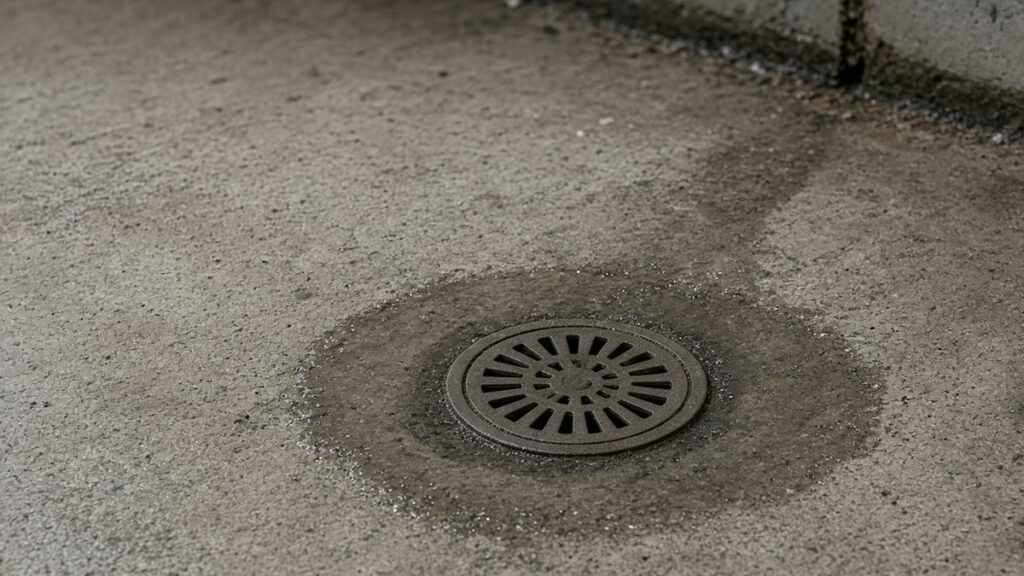
Not every wet basement comes from groundwater. Sometimes water comes up through the floor drain from the sewer. A backwater valve helps stop that. This guide is written for homeowners in Isanti, Isanti County and across Minnesota.
Table of Contents
What causes sewer backups
In heavy storms, city sewer lines can fill up. If the system backs up, water can push back up through the lowest drains in your home, often the basement floor drain.
What a backwater valve does
A backwater valve is installed on your home’s main sewer line. It lets water flow out of the house but closes when water tries to flow back in.
Signs you may need one
- Water or sewage coming up the floor drain during storms
- Neighbors with similar backups
- A low basement compared to the street
Backwater valve vs waterproofing
A backwater valve protects against sewer water. Waterproofing, drain tile and sump pumps handle groundwater coming through walls and floors. Some homes need both.
Maintenance
- Check the valve for debris.
- Keep the access clear.
- Know how it works so you don’t run water while it’s closed.
Ask a plumber
A plumber installs backwater valves, and many cities have rules or permits for them.
Need help with backwater valve? We’re available 24/7. Call 320-280-3522 or Request an Estimate.
Why Minnesota basements take on water
Minnesota is hard on basements. A few local conditions stack up:
- Freeze-thaw cycles open small gaps in concrete and mortar every winter.
- Spring snowmelt saturates the soil around foundations for weeks.
- Heavy summer storms can drop inches of rain in a few hours.
- Clay-rich soils in many areas hold water against the walls instead of letting it drain.
When soil around a foundation fills with water, it presses on walls and floors. That pressure, called hydrostatic pressure, pushes water through cracks, the floor-wall joint and porous concrete.
How professionals typically handle it
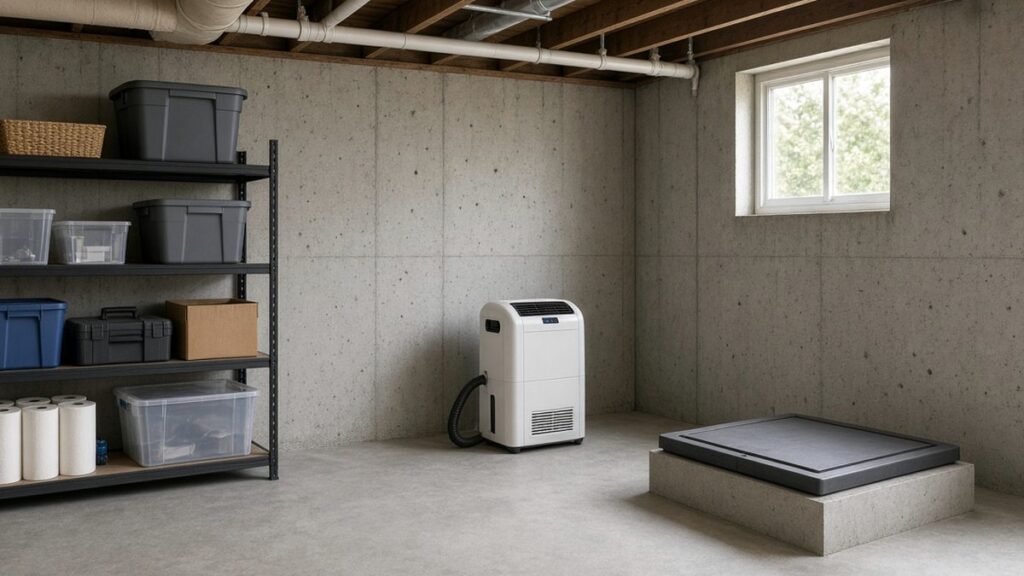
There’s no one-size-fits-all fix. Common basement waterproofing approaches include:
- Interior drain tile: a perforated pipe installed along the inside perimeter of the footing that collects water and sends it to a sump pit.
- Sump pump systems: pump collected water out and away from the house.
- Crack repair: injection products seal specific leaking cracks.
- Exterior drainage corrections: grading, downspout extensions and window well drains reduce how much water reaches the walls.
- Humidity control: dehumidifiers manage moisture that isn’t a true leak.
A good assessment looks at the whole picture, inside and out, before recommending anything.
Common mistakes to avoid
- Ignoring the outside. Gutters, downspouts and grading cause many wet basements MN homeowners deal with.
- Finishing too soon. Drywall and carpet over an untested wall can hide water until damage is done.
- Waiting for the next storm. Small seepage tends to grow with each wet season.
Quick winter to-do list for Isanti
Deep January cold is a good time to spot frost, condensation and new cracks indoors.
- Walk the basement after every thaw.
- Keep downspouts clear of ice so meltwater can drain.
- Make sure the sump pit isn’t freezing or running nonstop.
- Note any damp spots with a date and photo.
- Plan spring projects now so you’re not waiting later.
Questions to ask before you hire anyone
Before you pick a contractor, ask:
- What’s causing the problem?
- What are my options, and what are the trade-offs?
- Is there anything I can do myself first?
- What’s included in the estimate?
- Is a warranty offered, and what does it cover?
You can also check contractor licensing through the Minnesota Department of Labor and Industry. A good contractor will answer clearly and won’t rush you.
How it all connects
Most wet basements MN homeowners deal with come from more than one cause. Water, frost and soil pressure work together. That’s why basement waterproofing and foundation repair often go hand in hand. Good basement waterproofing MN work controls water, and good foundation repair MN work keeps walls stable. For more on backwater valve and related work, see our basement waterproofing page.
Trusted resources
University of Minnesota Extension explains common causes in its guide to moisture in basements.
Serving Isanti and Isanti County
Isanti has grown quickly, so many homes are newer builds on former farmland near the Rum River. We’re a veteran-owned, locally owned company based in Mora with more than 30 years of trade experience. Our service area includes Isanti, Isanti County and communities across Minnesota, and we always start with education, not pressure. Call us with questions about backwater valve any time.
Frequently asked questions
Does a backwater valve stop groundwater?
No. It only stops water backing up the sewer line.
Will my drains work when it’s closed?
Water from inside can’t leave while the valve is closed, so limit water use during a backup.
Is basement waterproofing worth it if I don’t plan to finish the basement?
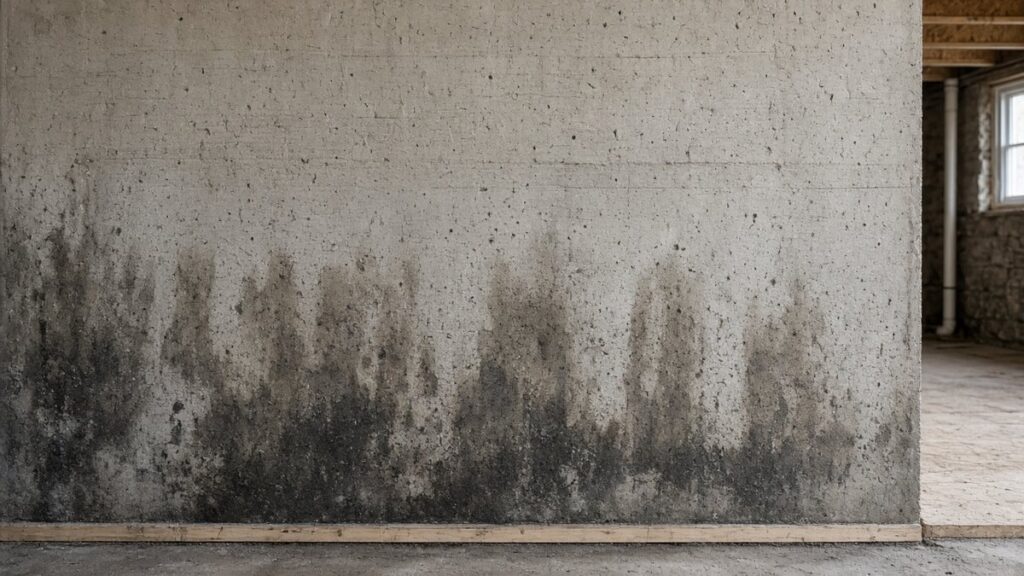
Yes. Water damages stored items, raises humidity in the whole house and can encourage mold, finished or not.
Can I waterproof a basement in winter?
Interior work can often be done year-round. Ask about scheduling when you request an estimate.
We’re here when you need us
No pressure, education first.
Day or night, 24/7: call 320-280-3522 or Request an Estimate. We’ll help with backwater valve in Isanti and nearby towns.