
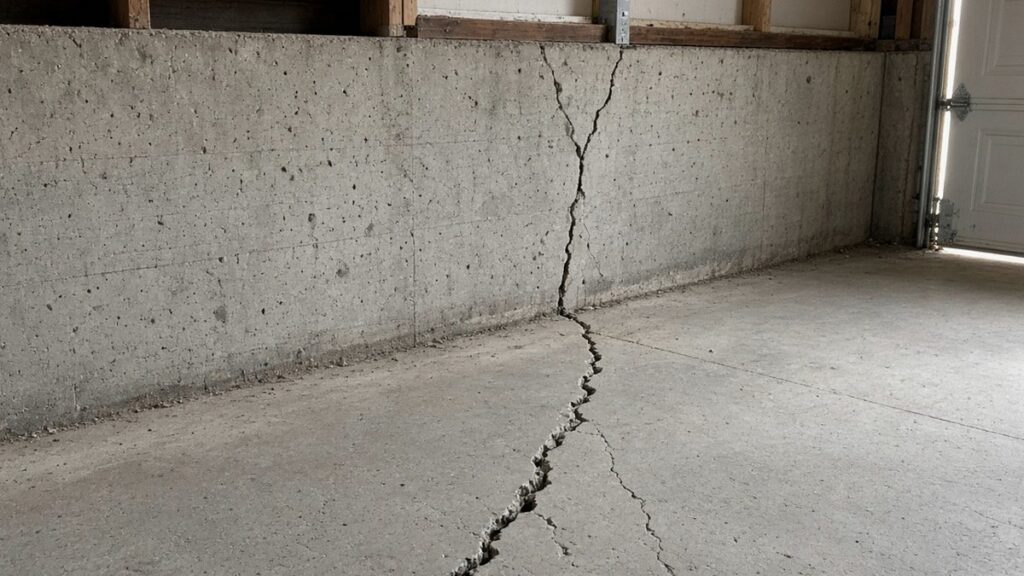
Sinking concrete steps are more than a trip hazard. When steps drop and tilt, they can send water toward your foundation. This guide is written for homeowners in Braham, Isanti County and across Minnesota.
Table of Contents
Why concrete steps sink
- Loose fill soil under the steps
- Washout from downspouts or poor drainage
- Frost heave that lifts and drops the steps over time
- Shallow support that moves with the soil
Signs of sinking concrete steps
- A gap between the steps and the house
- Steps that tilt toward the foundation
- Cracks across treads
- A door threshold that no longer lines up
Why it matters for the basement
When steps tilt toward the house, water runs into the gap and down the foundation. That spot can become a regular leak in spring.
Repair options
- Lifting and leveling the steps
- Rebuilding on better support
- Sealing the gap after leveling
- Fixing drainage so the soil stays stable
When to call
If the gap keeps growing or water shows up below the steps inside, it’s time for a closer look. The fix should address why the steps sank, not just the gap.
Need help with sinking concrete steps? We’re available 24/7. Call 320-280-3522 or Request an Estimate.
Why Minnesota foundations move
Foundations in Minnesota deal with forces many other states don’t:
- Frost heave: water in soil freezes, expands and pushes on footings and walls.
- Saturated soil in spring adds weight and pressure against basement walls.
- Clay soils swell when wet and shrink when dry, so walls get squeezed and released.
- Poor drainage keeps soil wet right next to the foundation.
Over years, these forces can crack, bow or shift foundation walls.
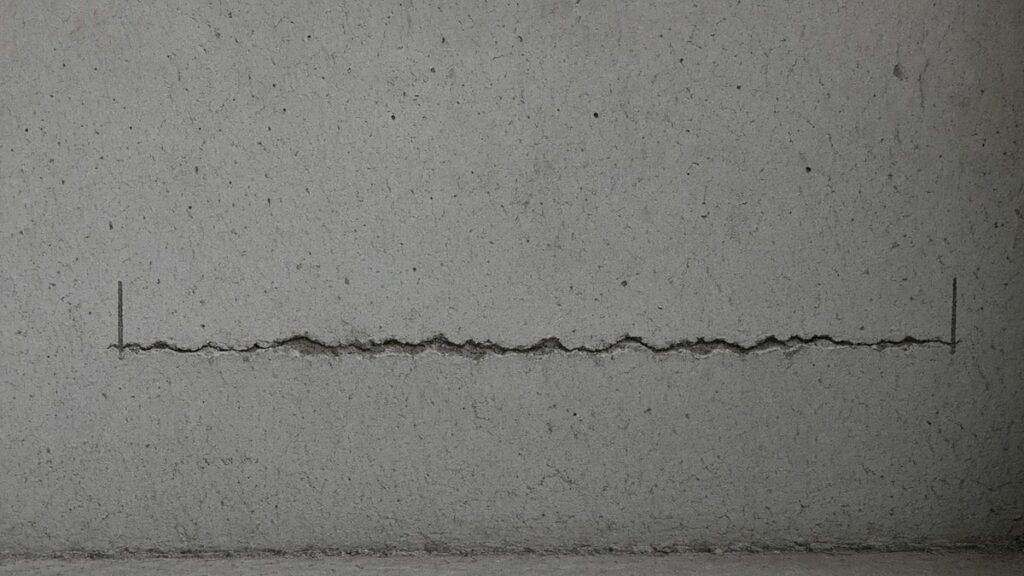
Common foundation repair approaches
The right approach depends on what’s moving and why. Common methods include:
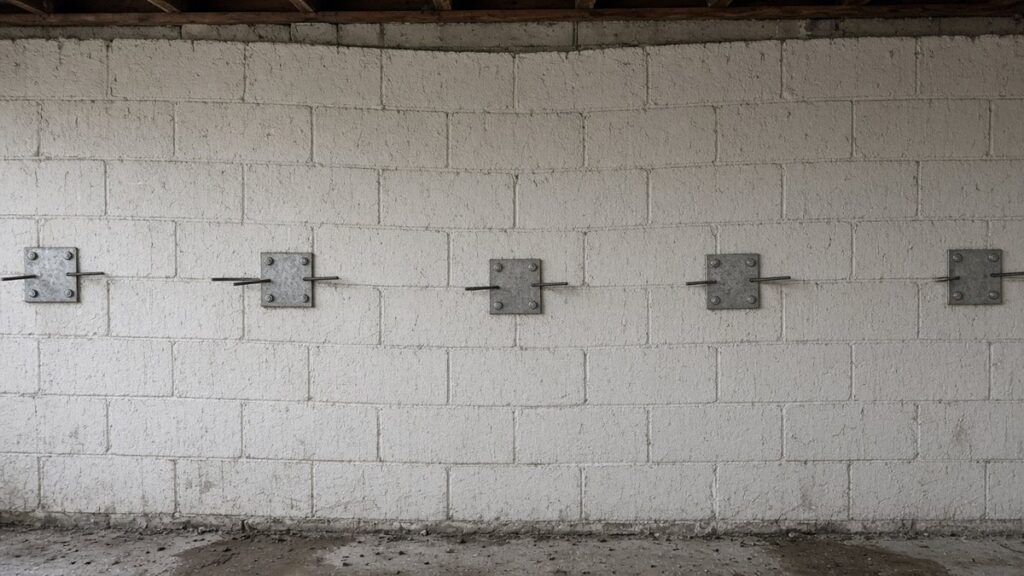
- Wall anchors: plates on the inside wall connected to anchors in the yard, used to stabilize bowing walls.
- Wall braces or beams: steel supports that brace a wall from footing to floor joists.
- Crack repair: sealing cracks after the cause has been addressed.
- Drainage improvements: reducing the water and frost pressure that caused movement in the first place.
- Excavation and rebuild: for severe damage, part of a wall may need to be rebuilt.
Any structural concern should be evaluated in person. Photos help, but they can’t replace an on-site look.
Common mistakes to avoid
- Skipping documentation. Without dated photos and measurements, it’s hard to tell if a crack is changing.
- Ignoring drainage. Wet, frozen soil adds pressure on walls, so water control is part of most foundation repair MN plans.
- Choosing a fix before knowing the cause. The right repair depends on why the wall or slab moved.
Summer basement checklist for Braham
Midsummer storms and sticky air both test a basement in July.
- Run a dehumidifier and keep humidity moderate.
- Check after thunderstorms for new water.
- Look at landscaping that may trap water by the walls.
- Inspect the crawl space for moisture and pests.
- Plan projects while the weather is good.
What a good assessment should include
Whoever you hire, a good evaluation should:
- Look outside at gutters, downspouts, grading and window wells
- Look inside at walls, floors, cracks and the sump system
- Explain the cause, not just the symptom
- Lay out options, including simple fixes you can do yourself
- Give a written estimate before any work starts
At Secure Basement Solutions, we keep it no-pressure and education-first. You should understand the problem before you decide anything.
How it all connects
Most wet basements MN homeowners deal with come from more than one cause. Water, frost and soil pressure work together. That’s why basement waterproofing and foundation repair often go hand in hand. Good basement waterproofing MN work controls water, and good foundation repair MN work keeps walls stable. For more on sinking concrete steps and related work, see our foundation repair page.
Trusted resources
University of Minnesota Extension explains how water around foundations contributes to problems in its guide to moisture in basements.
Serving Braham and Isanti County
Braham sits along the Isanti and Kanabec county line, with older in-town homes and newer rural builds. We’re a veteran-owned, locally owned company based in Mora with more than 30 years of trade experience. Our service area includes Braham, Isanti County and communities across Minnesota, and we always start with education, not pressure. Call us with questions about sinking concrete steps any time.
Frequently asked questions
Can sinking steps damage my foundation?
They can send water to the wall and press against it. Watch for leaks and cracks nearby.
Can I fill the gap myself?
A sealant can help short term. If the steps keep sinking, the gap will return.
Is every foundation crack a structural problem?
No. Many thin vertical cracks come from shrinkage. Horizontal cracks, widening cracks and bowing walls deserve a closer look.
Can foundation repair wait until summer?
Some work can wait, and some can’t. If a wall is moving, get it evaluated now so you know the risk.
Next step: a no-pressure visit
No pressure, education first.
Questions about sinking concrete steps? We’re available 24/7. Call 320-280-3522 or Request an Estimate.