
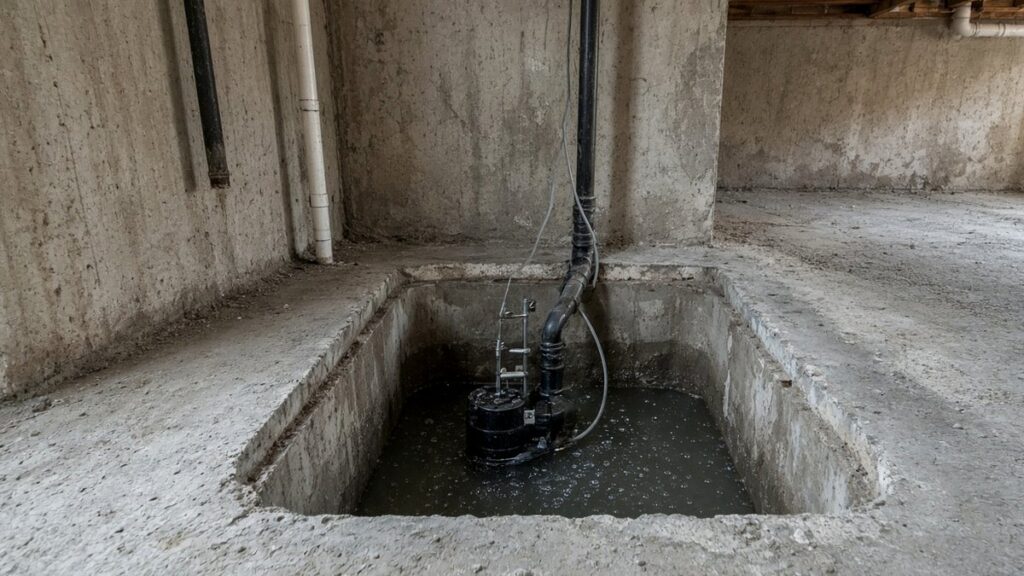
Plenty of Minnesota basements were built without a sump pit. If water collects at the floor edge or under the slab, a new sump pit installation can give that water a place to go. This guide is written for homeowners in Mahtomedi, Washington County and across Minnesota.
Table of Contents
Signs a home may need a sump pit
- Water at the floor edge after rain or snowmelt
- Damp or stained slab in low areas
- High groundwater that pushes up through cracks
- New interior drain tile that needs a collection point
- A floor drain that backs up with groundwater
Steps in a new sump pit installation
- Choosing the spot. Usually a low area near where water collects, with room for power and a discharge route.
- Cutting the floor. The concrete is cut and removed.
- Digging the pit. Soil is dug out to fit the basin.
- Setting the basin. A sealed basin with holes or slots lets water in. Gravel goes around it.
- Connecting drain tile. If there’s drain tile, it’s tied into the pit.
- Installing the pump. The pump, check valve and discharge pipe go in.
- Patching the floor. New concrete closes the area around the basin.
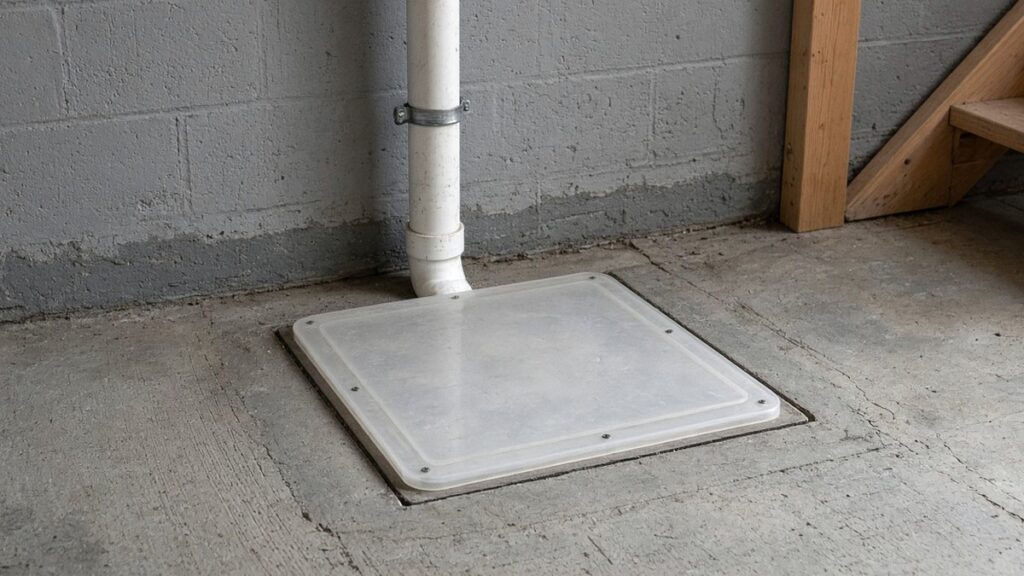
- Sealing the lid. A tight lid limits moisture, odors and radon.
Planning tips
- Power. The pump needs a dedicated outlet nearby. Ask an electrician if you’re unsure.
- Discharge route. Plan where the pipe will exit and where water will drain outside.
- Access. Keep the pit easy to reach for testing and service.
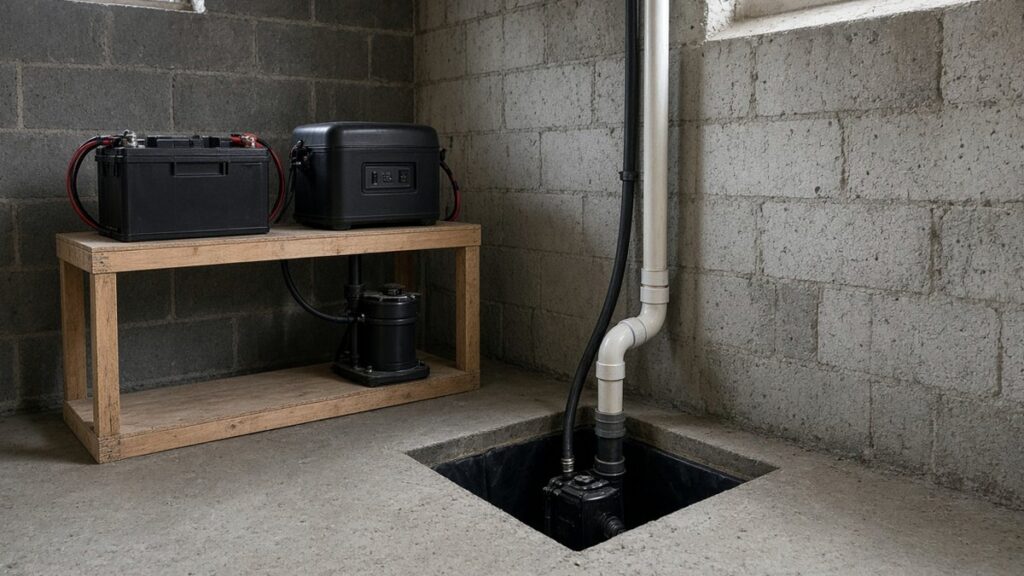
- Backup. Think about a battery or water powered backup.
Why a pit alone may not be enough
A pit collects water near where it sits. If water comes in along all the walls, drain tile around the perimeter may also be needed to move water to the pit.
Fall timing
The ground isn’t frozen yet and spring melt is still months away. Fall is a good time to plan a new sump pit installation so it’s working before the snow melts.
Need help with new sump pit installation? We’re available 24/7. Call 320-280-3522 or Request an Estimate.
What a sump pump is up against here
Minnesota weather gives sump pumps a tough workload:
- Long run times during snowmelt
- Sudden surges in thunderstorms
- Frozen discharge lines in winter
- Power outages during the storms when you need the pump most
That’s why regular checks matter so much.
What sump pump service usually covers
A professional sump pump visit typically looks at:
- The pump itself: age, condition, float switch and check valve
- The pit: debris, silt and proper lid fit
- The discharge line: routing, slope and freeze protection outside
- Capacity: whether the pump keeps up with the water entering the pit
- Backup options: battery or water-powered backups exist; ask which fits your home
Fixing the pump is only part of it. If the pit fills fast every rain, drainage may need attention too.
Common mistakes to avoid
- Short discharge lines. Water dumped next to the house can cycle right back into the pit.
- No plan for power outages. Storms that bring heavy rain can also knock out power.
- Never testing the pump. Many failures are found during a storm instead of before it.
Quick spring to-do list for Mahtomedi
May storms and wet soil make it a good month to see how your basement handles water.
- Clear snow and ice from around downspout outlets.
- Look for water lines or damp spots along the floor edge.
- Pour a bucket of water in the sump pit to test it.
- Watch cracks after rain and note any changes.
- Fill low spots in the yard once the ground thaws.
Questions to ask before you hire anyone
Before you pick a contractor, ask:
- What’s causing the problem?
- What are my options, and what are the trade-offs?
- Is there anything I can do myself first?
- What’s included in the estimate?
- Is a warranty offered, and what does it cover?
You can also check contractor licensing through the Minnesota Department of Labor and Industry. A good contractor will answer clearly and won’t rush you.
How it all connects
No single product fixes every basement. Wet basements MN homes face need the right mix of drainage, sealing and support. Basement waterproofing MN work keeps water out, and foundation repair MN work keeps the structure sound. Our basement waterproofing and foundation repair pages explain both. For more on new sump pit installation and related work, see our sump pump service page.
Trusted resources
Ready.gov offers tips for keeping your home safe during power outages.
Serving Mahtomedi and Washington County
Mahtomedi sits on the east shore of White Bear Lake, with many older lake-area homes. Secure Basement Solutions is veteran-owned and based in Mora, with more than 30 years of trade experience. We serve Mahtomedi, Washington County and communities across Minnesota. No pressure, education first. Call us with questions about new sump pit installation any time.
Frequently asked questions
Can a sump pit go in without drain tile?
Sometimes, for a small, local water problem. Drain tile often helps catch water along the walls.
Is a sump pump loud?
It makes some noise when it runs. A sealed lid and good check valve help.
Why does my sump pump run when it hasn’t rained?
Snowmelt, a high water table or a failed check valve can all cause it.
How often should I test my sump pump?
Every few months, and always before spring melt. Pour a bucket of water into the pit and watch it cycle.
Next step: a no-pressure visit
No pressure, education first.
Available 24/7. Call 320-280-3522 or Request an Estimate to talk about new sump pit installation at your Mahtomedi home.